



A deep learning prediction method for growth of micro voids in single-crystal metal
-
摘要: 针对单晶金属中微孔洞生长过程的预测问题,建立了一种基于U-Net和Transformer的深度神经网络模型:基于包含初始椭球双孔洞的单晶铜原子模型的分子动力学模拟结果构建数据集;提出了一种基于背景网格的数据预处理方法,在数据集中对模拟结果进行局部统计。算例结果表明,上述深度学习方法能够对单晶金属中微孔洞生长过程中的整体物理量和局部细节信息进行准确预测。
-
关键词:
- 深度学习 /
- 微孔洞生长 /
- 分子动力学 /
- U-Net /
- Transformer
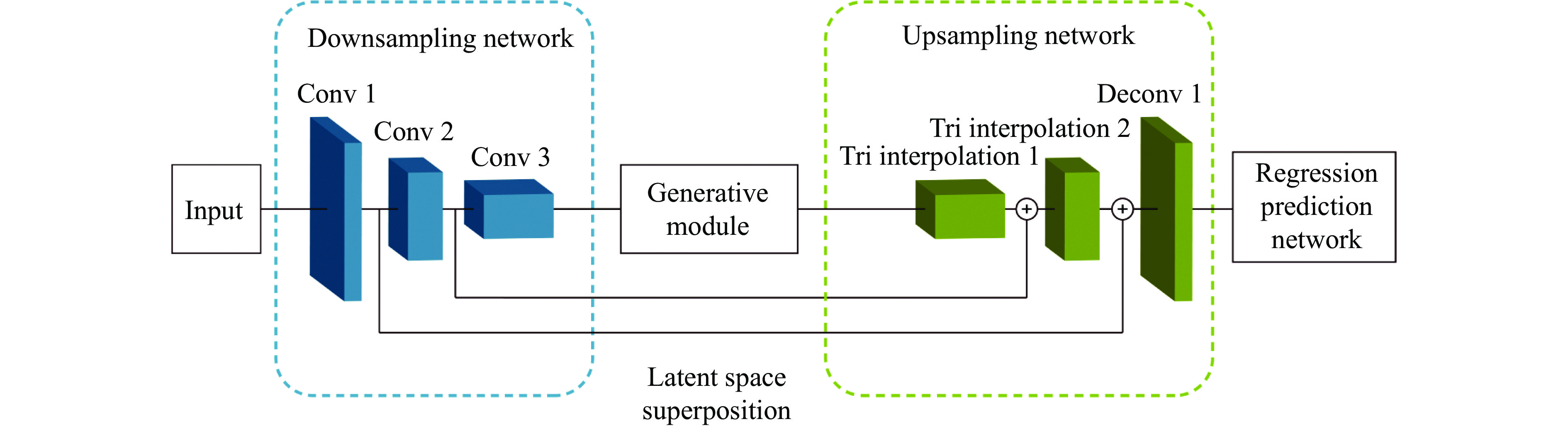
Abstract: A novel deep neural network was proposed to predict the growth of micro voids in single-crystal metal based on U-Net and Transformer in this paper. The dataset was constructed through molecular dynamics (MD) simulation results of a single-crystal copper atom model with initial double ellipsoidal voids. A data preprocessing scheme based on background mesh was proposed to perform local statistics on the simulation results. The information obtained from simulation results, such as void morphology, dislocation distribution, and von Mises effective stress, was converted into local statistics on the background mesh. These statistics were then converted into pixel matrix format as the input of the deep neural network. Multiple data samples can be generated from the results of one single MD simulation, which significantly reduces the computational resources required for dataset generation. The samples encompass typical stages of the void growth, which enables the network to capture key features and to facilitate data augmentation conveniently. The deep neural network model consists of four parts: U-Net composed of down-sampling and up-sampling networks, a generation model, a Query network model, and a regression prediction network. The model input includes both physical information and positional information. The output is the predicted physical information for the next time step. The loss function is a superposition of loss functions for each predicted variable. Numerical examples demonstrate that the aforementioned deep-learning method can accurately predict the global porosity ratio, dislocation density, and von Mises stress during growth of micro voids in single-crystal metal. The time for the network prediction can reach two orders of magnitude lower than that of MD simulation.-
Key words:
- deep learning /
- micro void growth /
- molecular dynamics /
- U-Net /
- Transformer
-
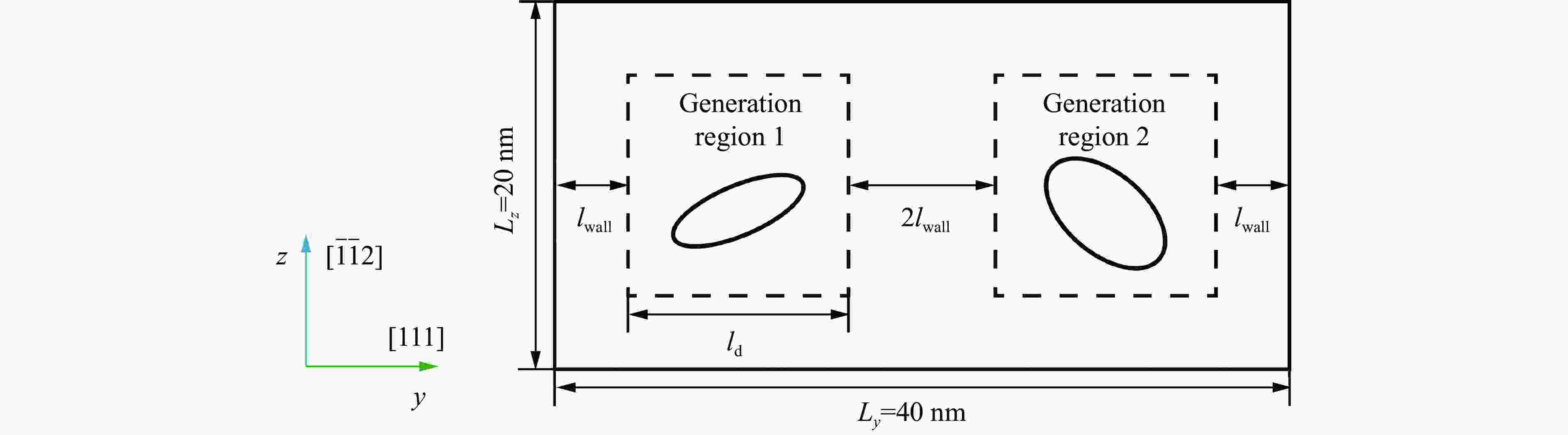
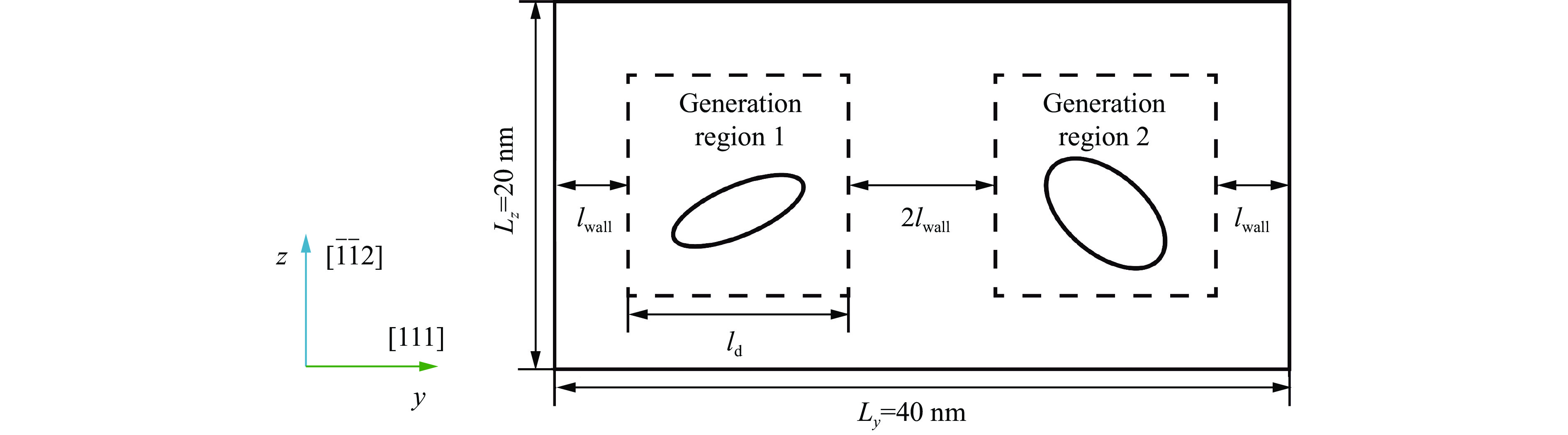
图 1 含有椭球双孔洞的单晶铜原子模型
Figure 1. A single-crystal copper model with two ellipsoidal voids
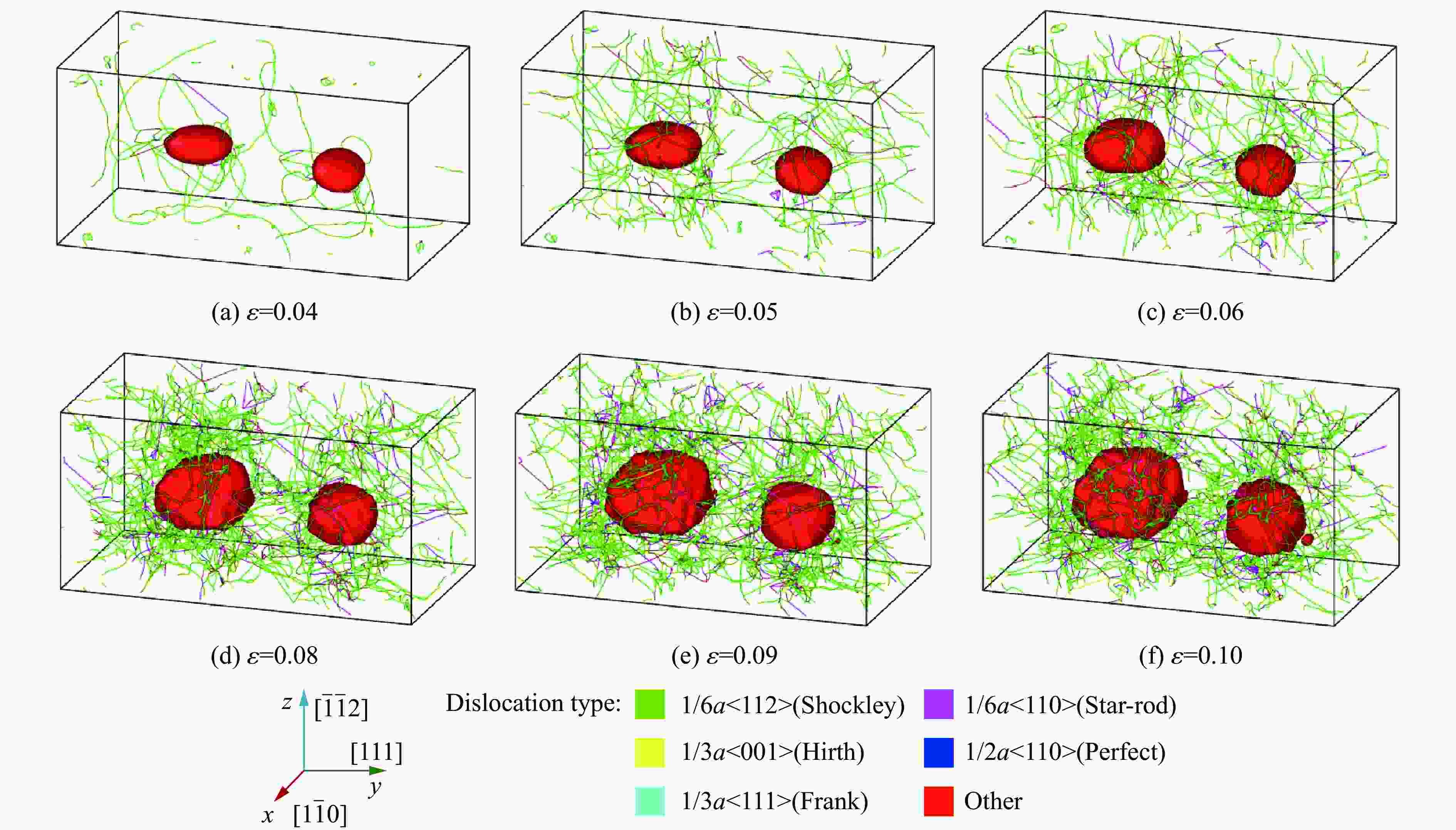
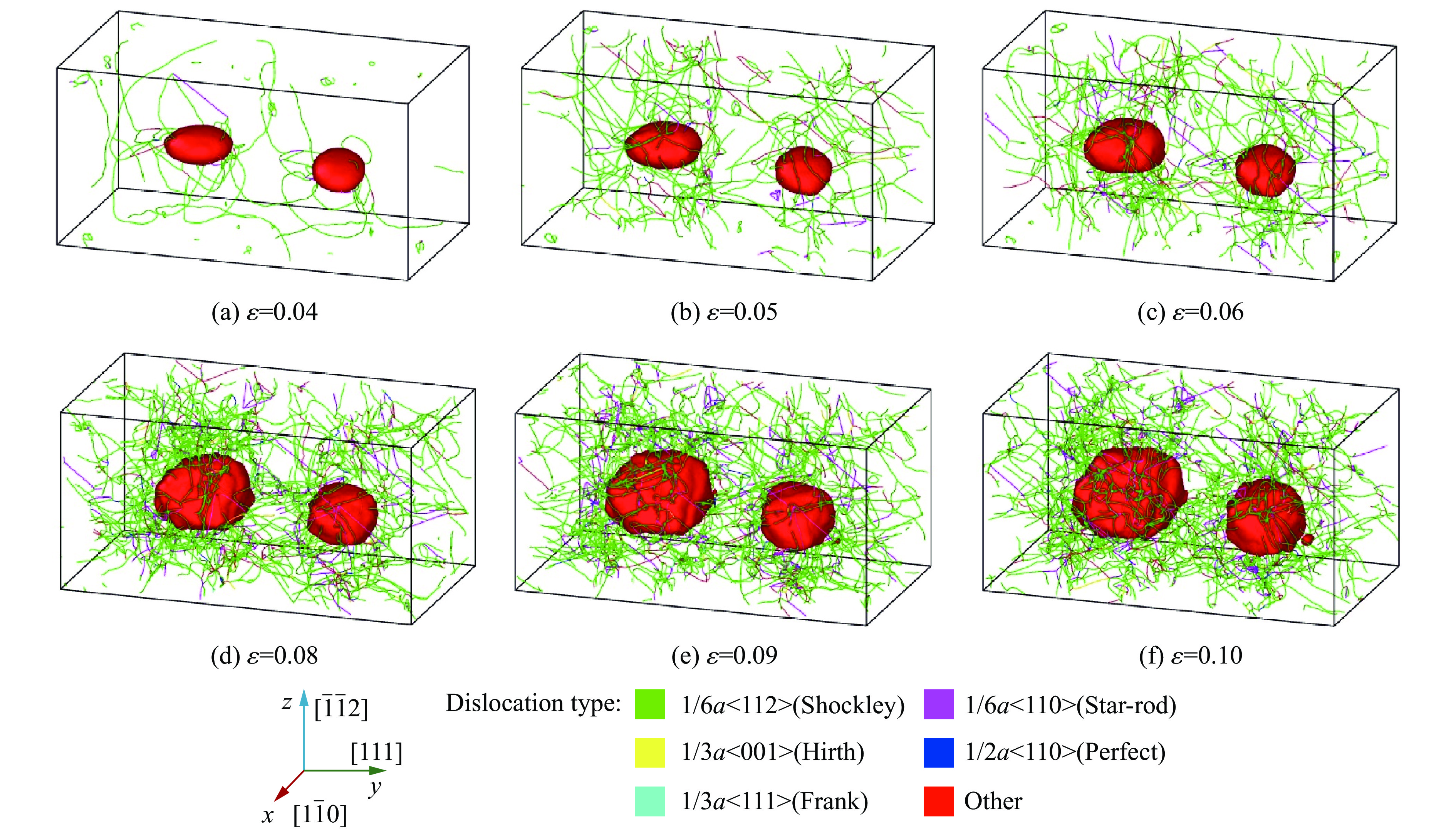
图 2 典型模型在不同应变下的孔洞形状和位错分布
Figure 2. The void morphology and dislocation distribution in the typical model under various strains
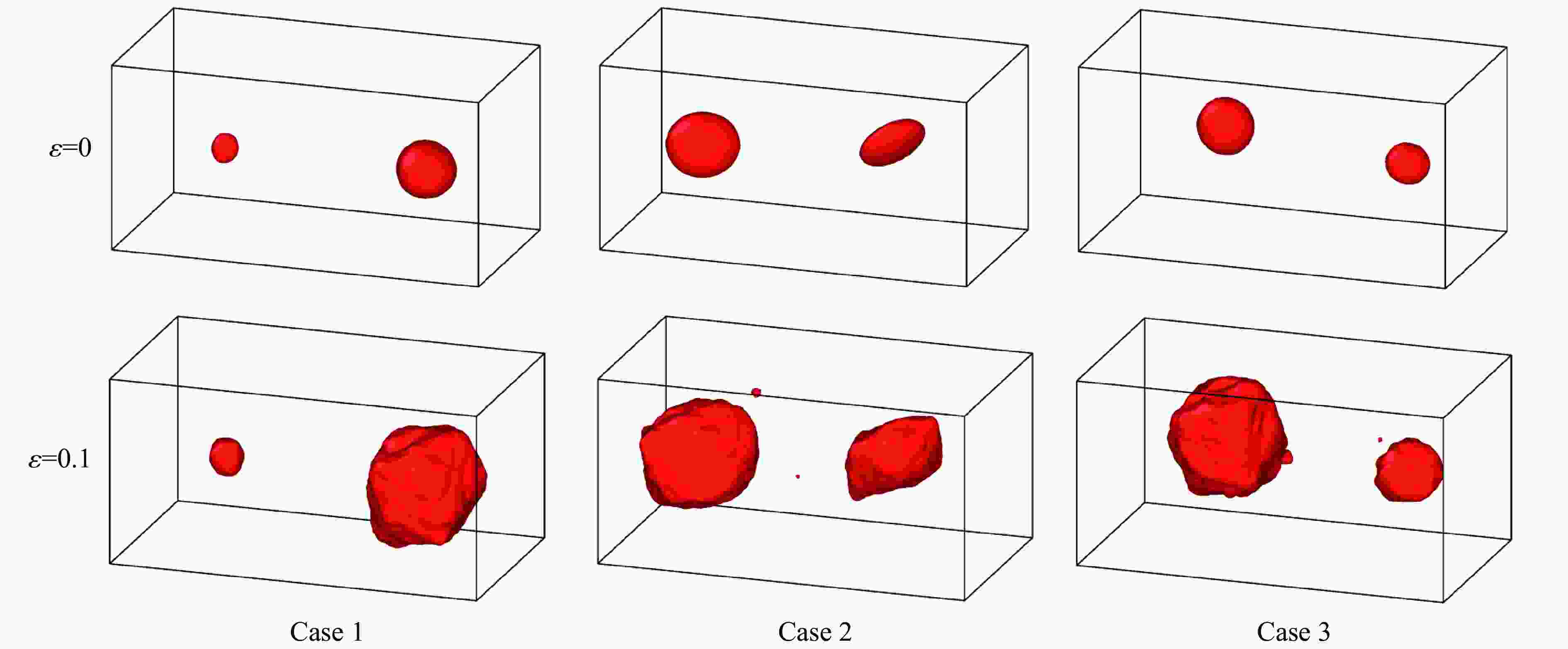
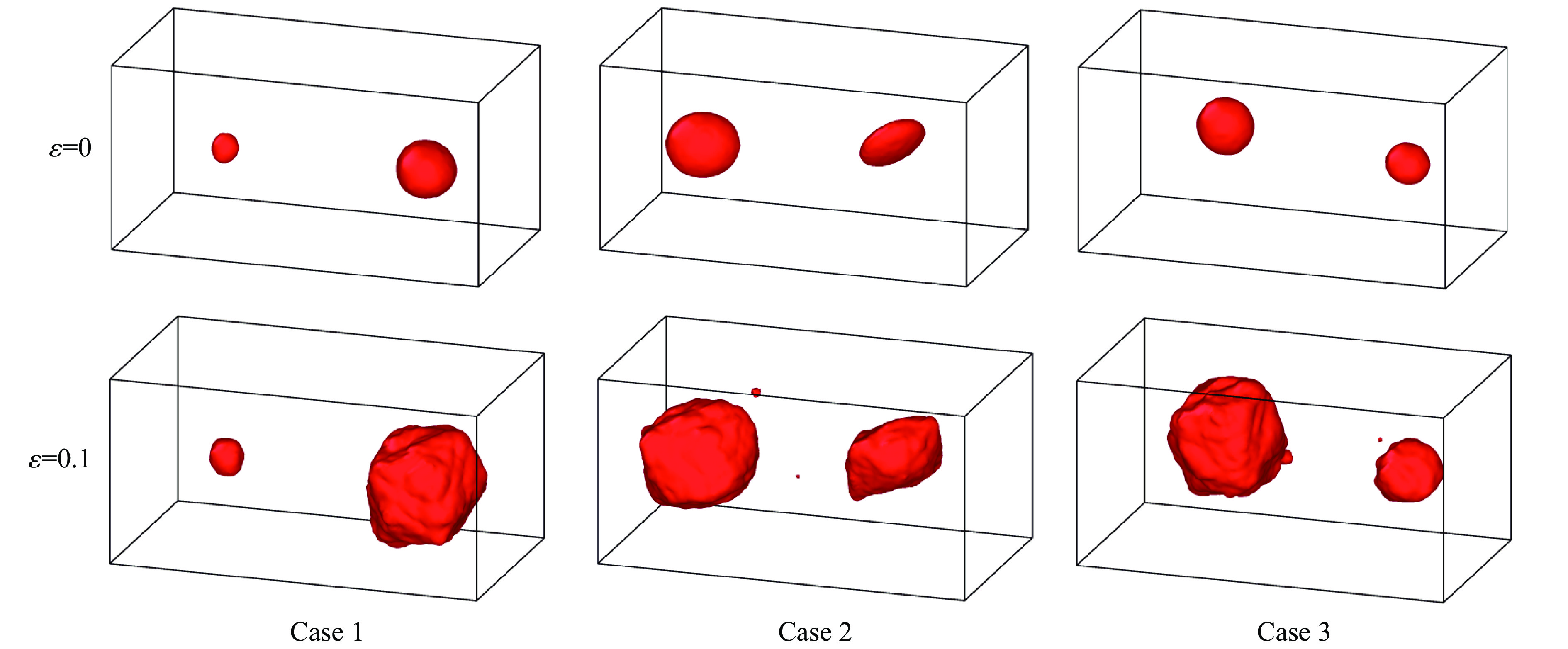
图 3 MD模拟不同初始参数的孔洞在拉伸应变下的演化
Figure 3. Evolution of voids with different initial parameters under tensile strain by MD simulation
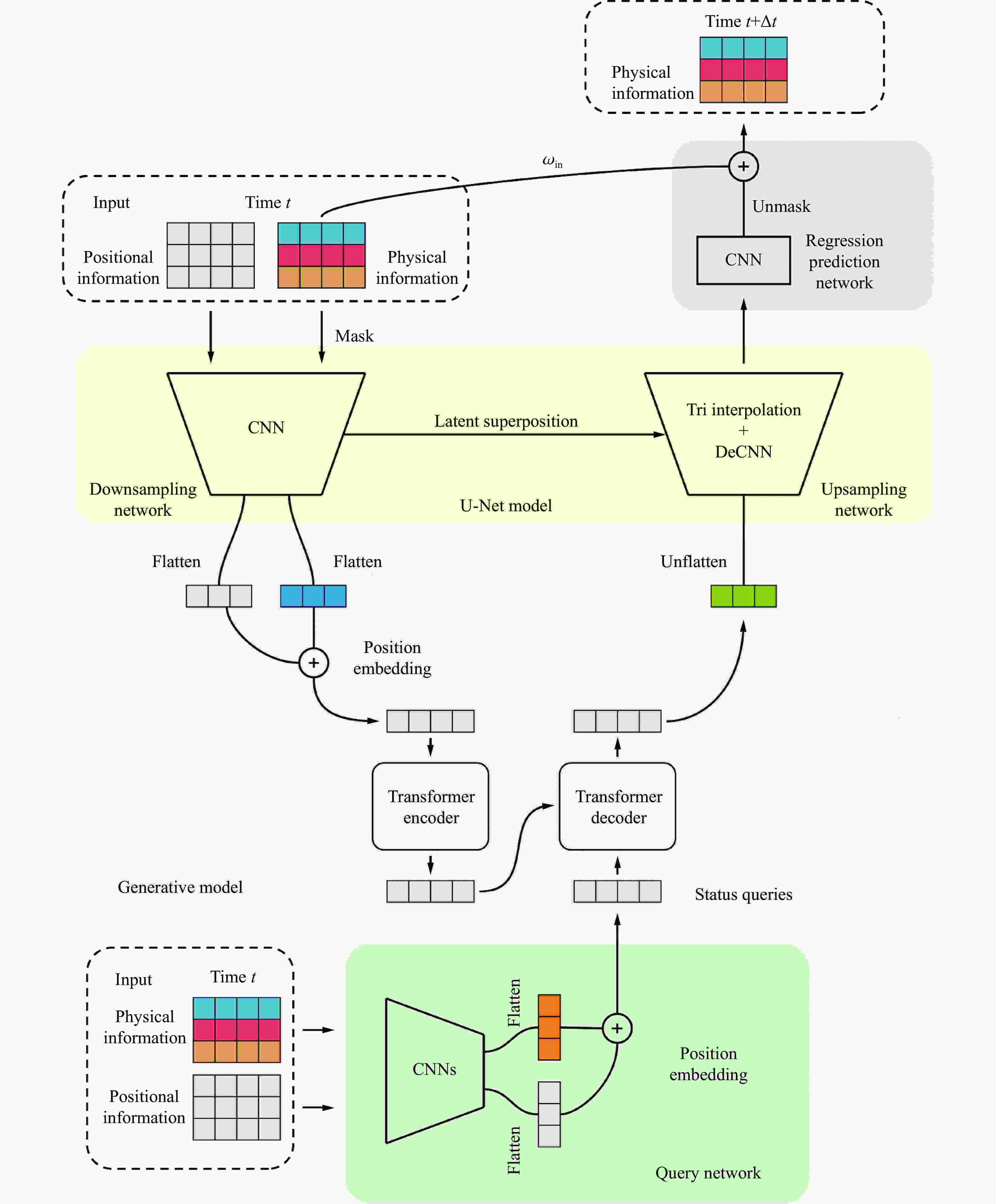
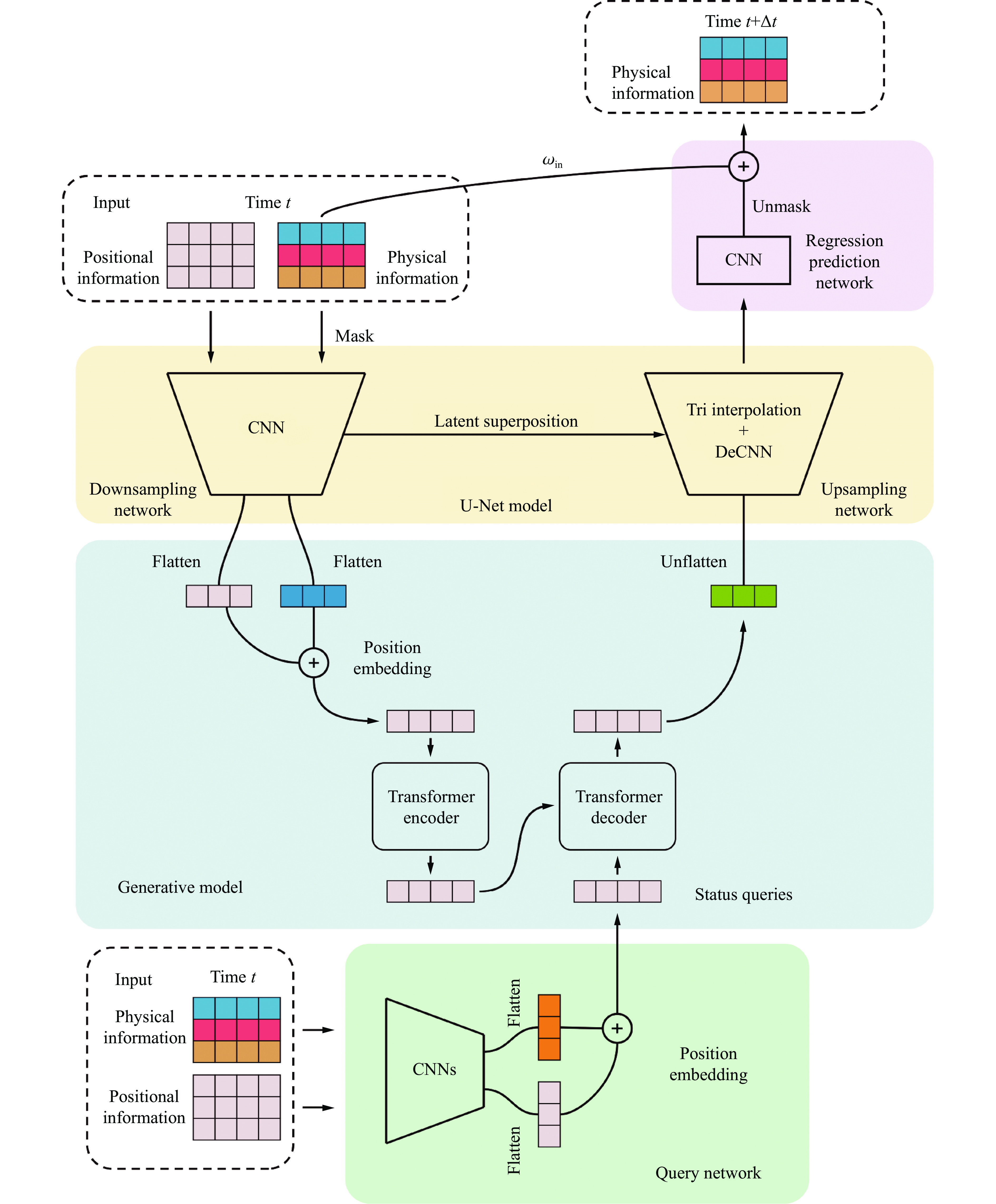
图 4 金属微孔洞生长过程预测的深度学习网络模型
Figure 4. Deep learning network model for predicting the growth of micro voids in metals
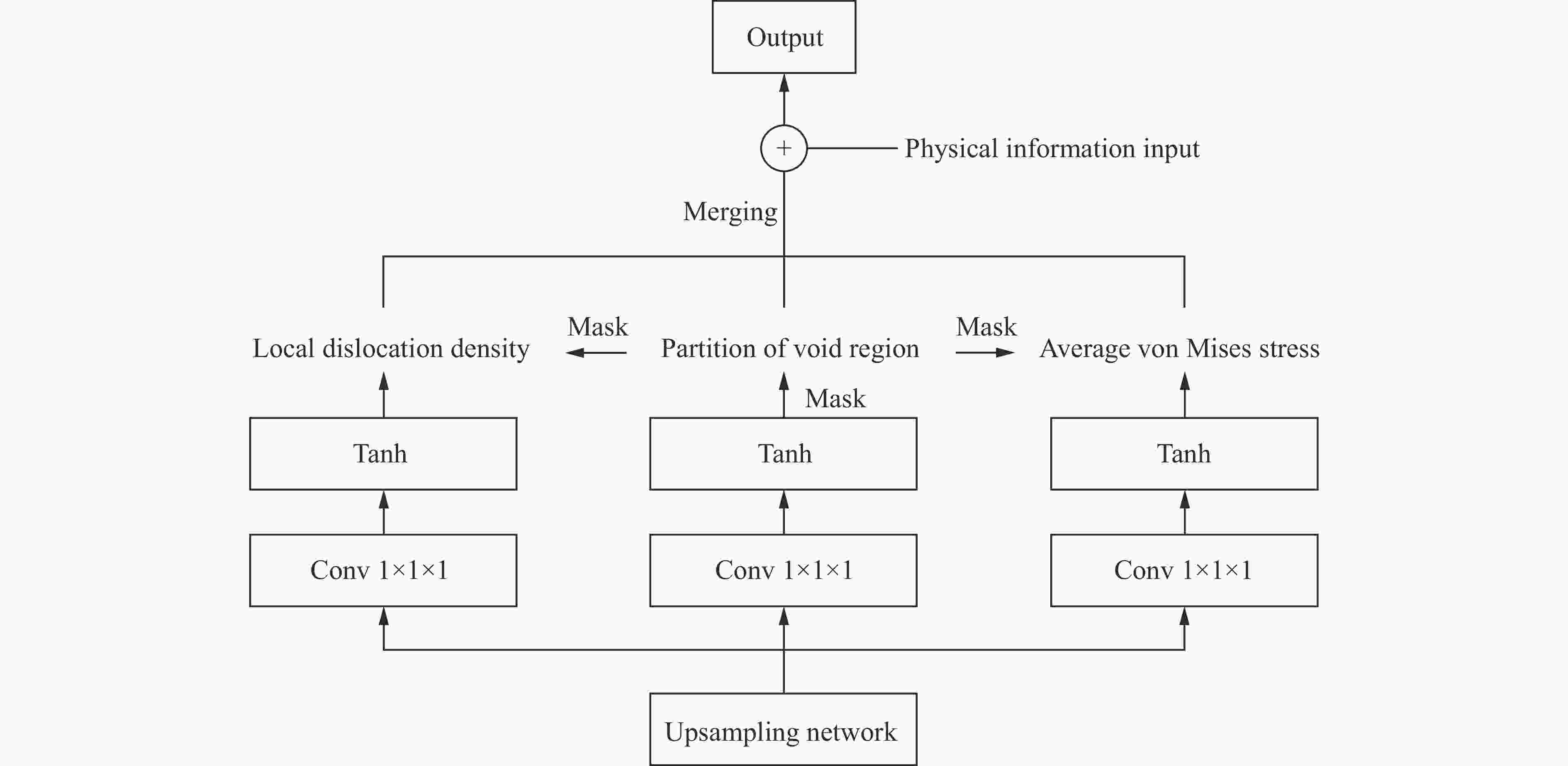
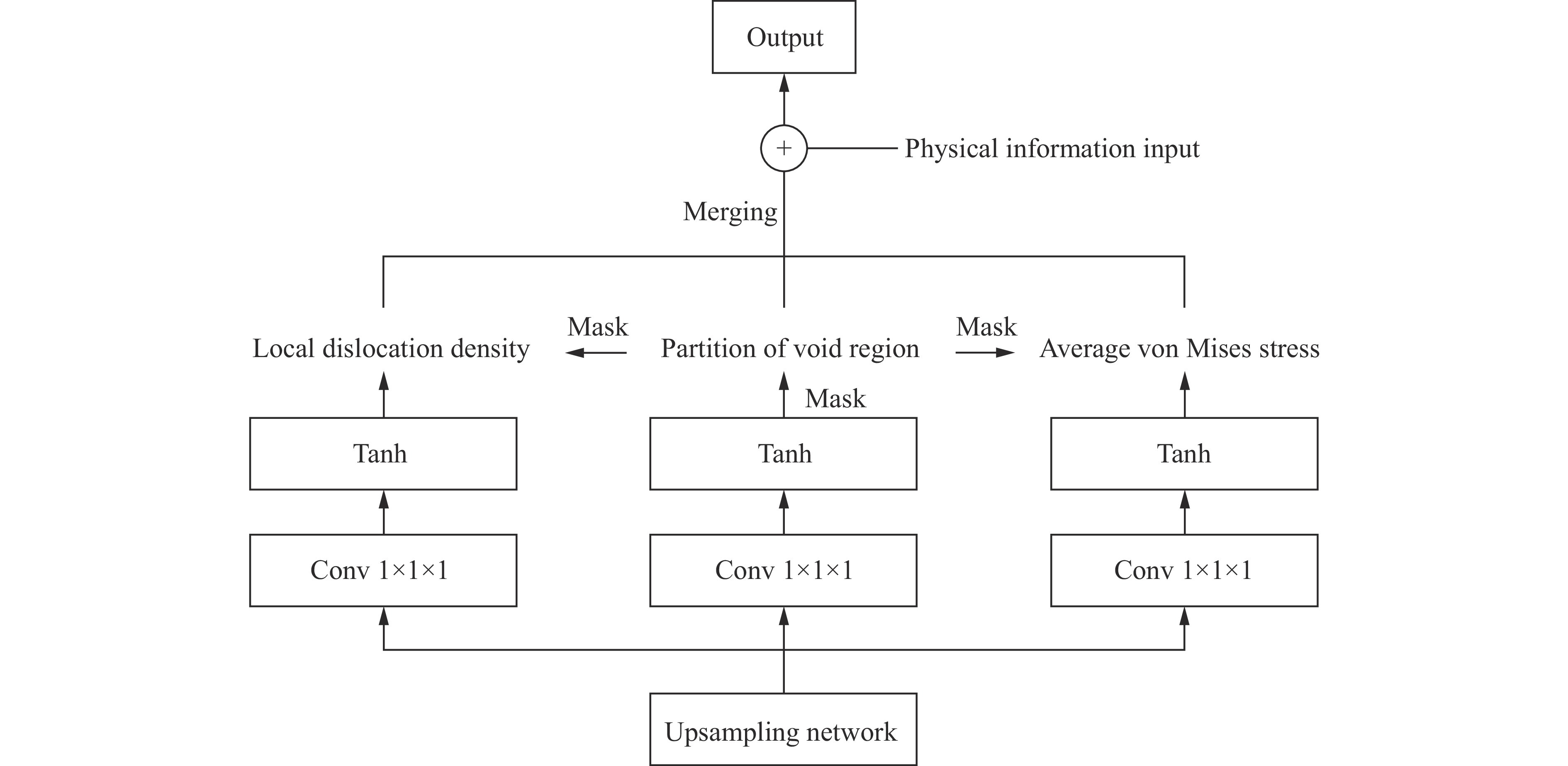
图 6 回归预测网络模型结构示意图
Figure 6. Schematic figure of the regression prediction network architecture
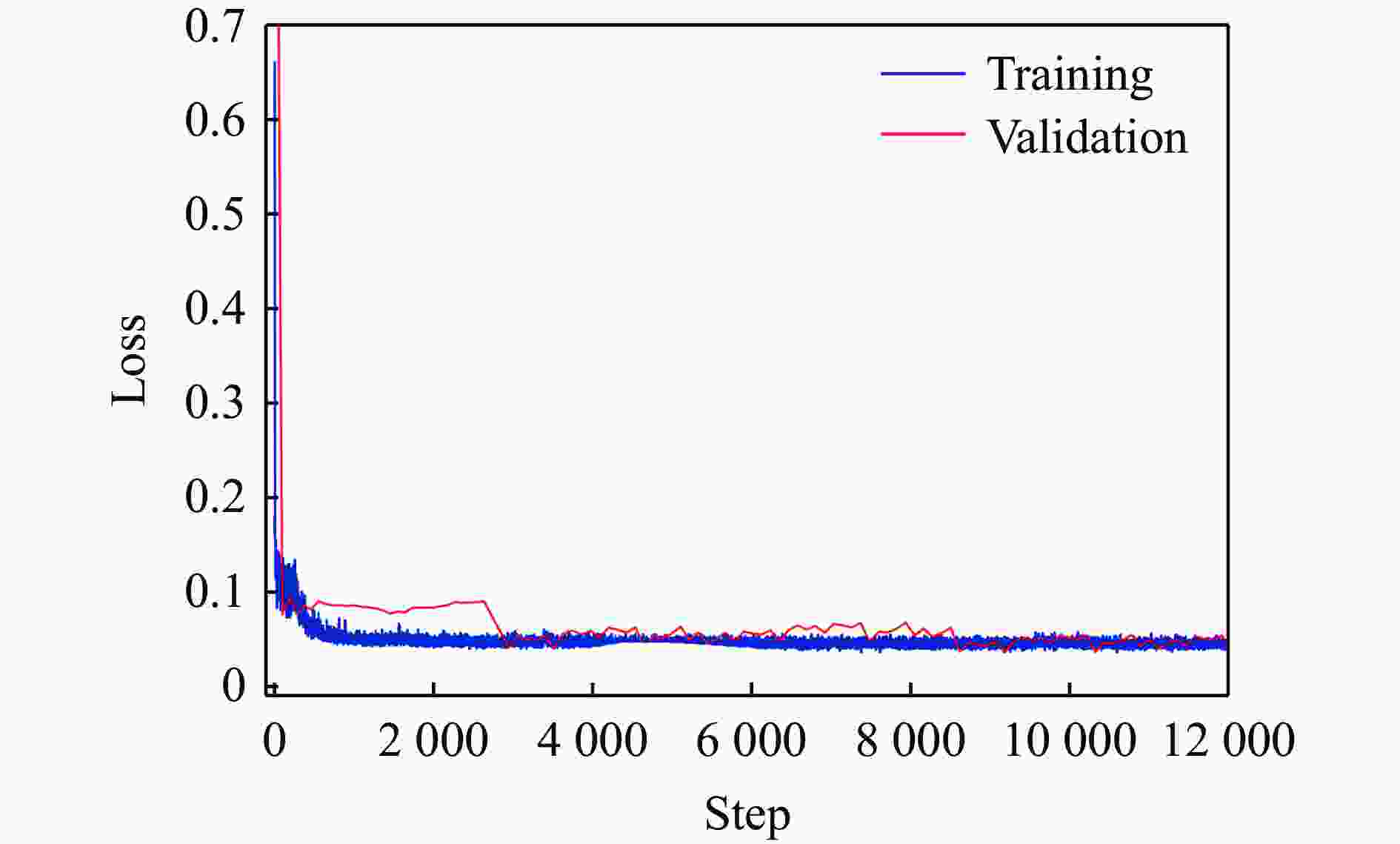
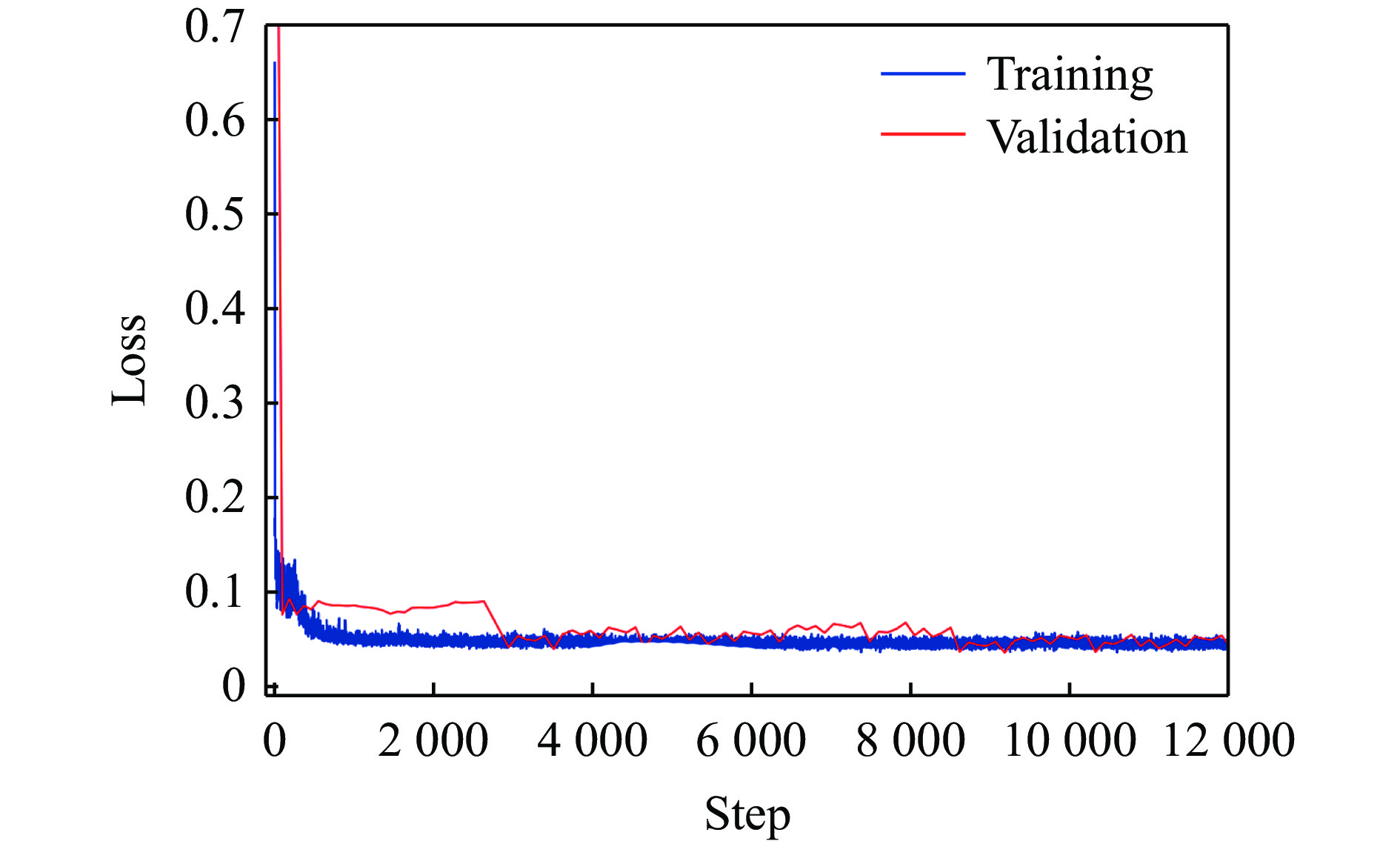
图 7 深度神经网络的训练和验证曲线
Figure 7. Training and validation curves of the deep neural network
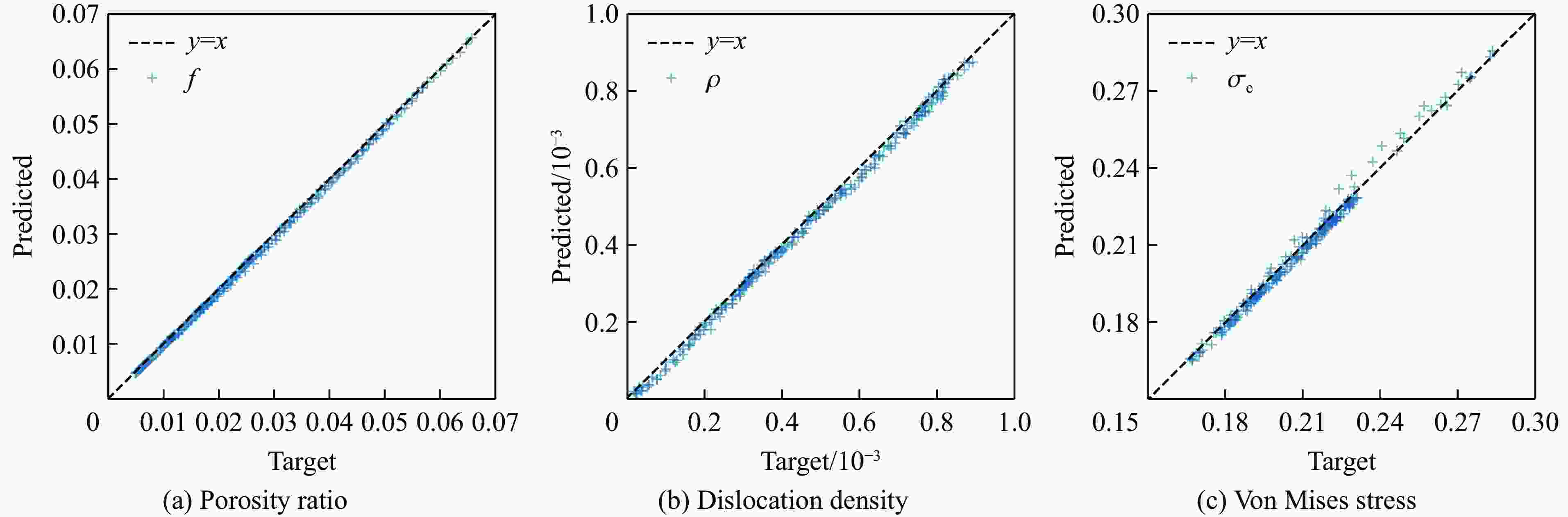
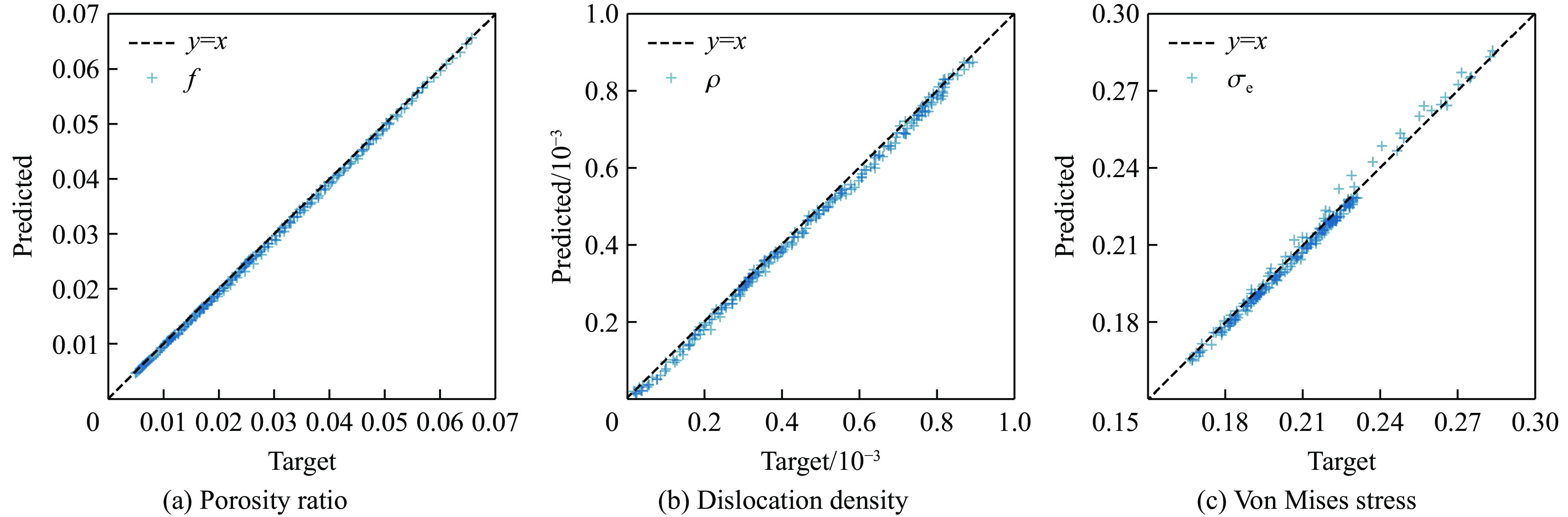
图 8 深度神经网络在测试集上预测得到的物理量与目标物理量的对比
Figure 8. Comparison between the physical quantities predicted by the deep neural network on the test set and the target physical quantities
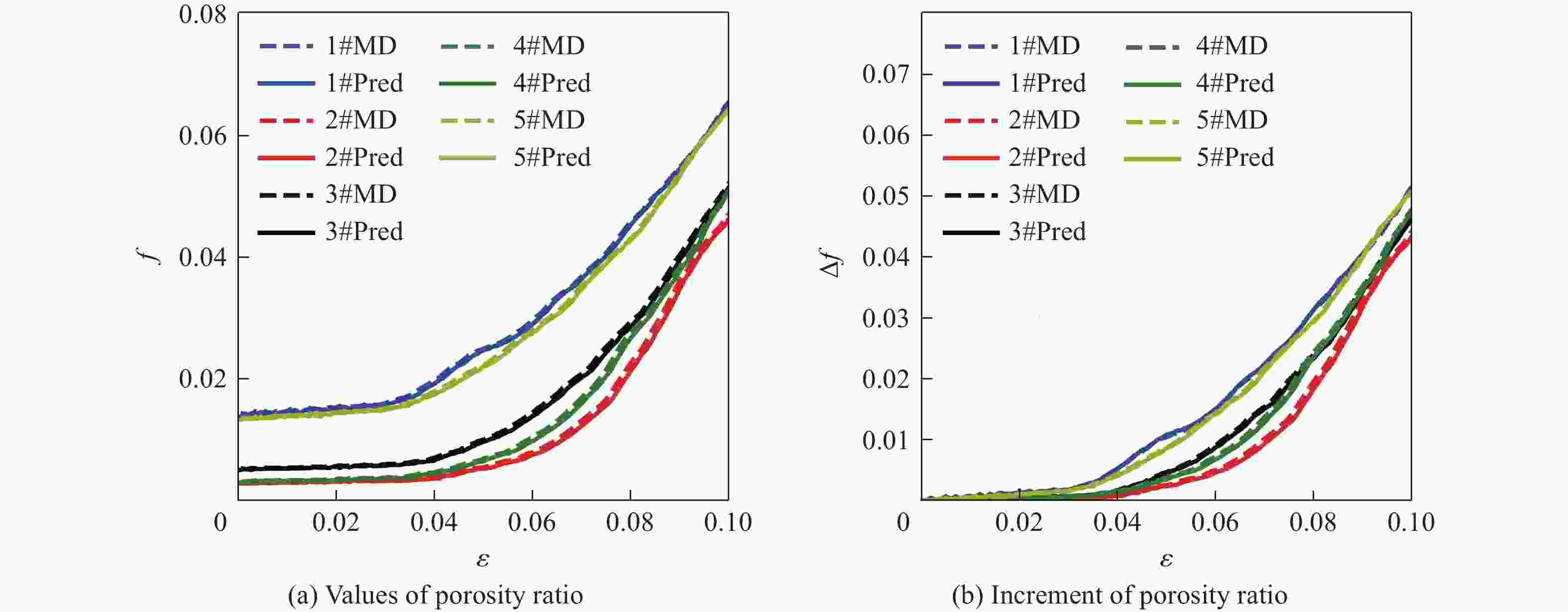
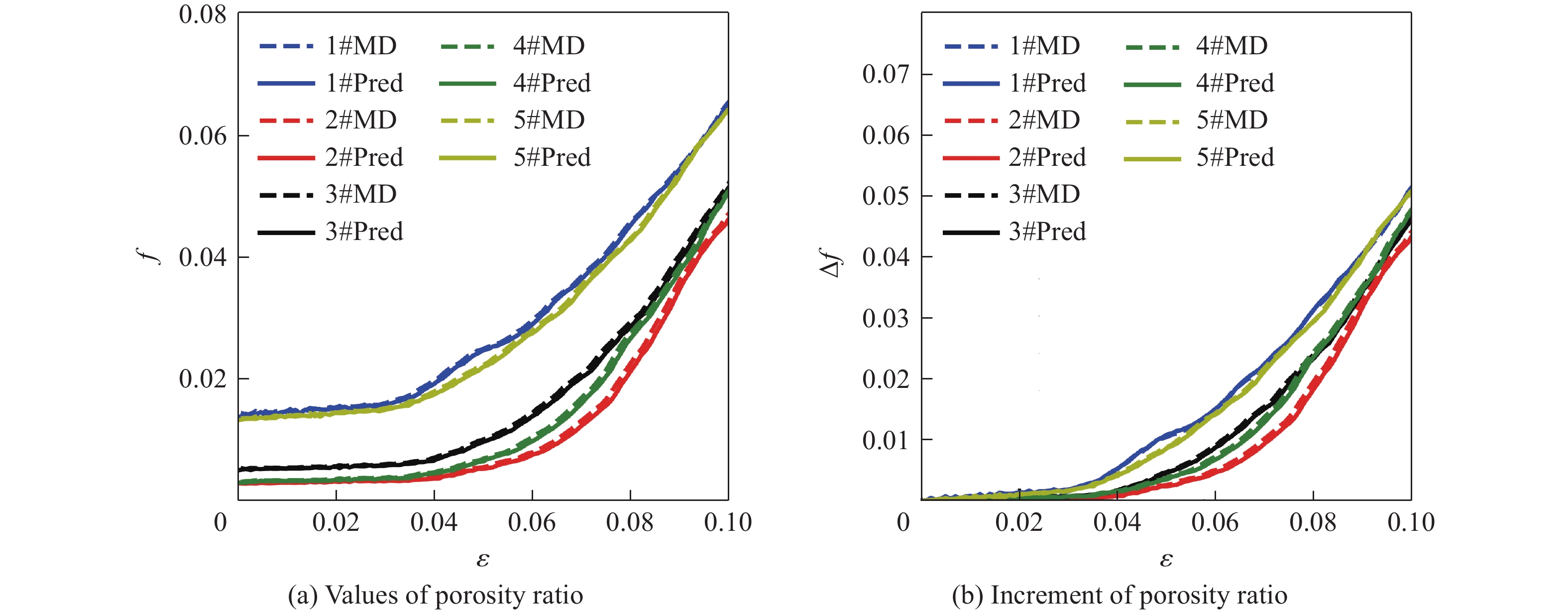
图 9 孔隙率及孔隙率增量随应变变化结果
Figure 9. Variation of porosity ratio and its increment with strain
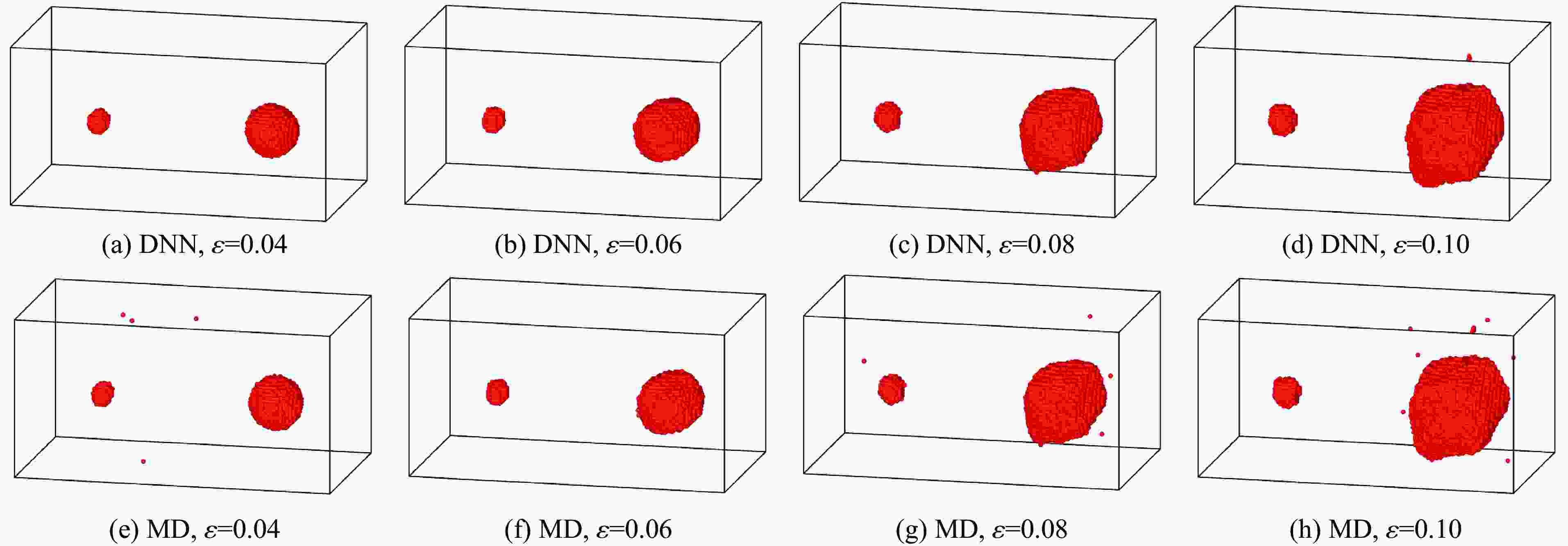
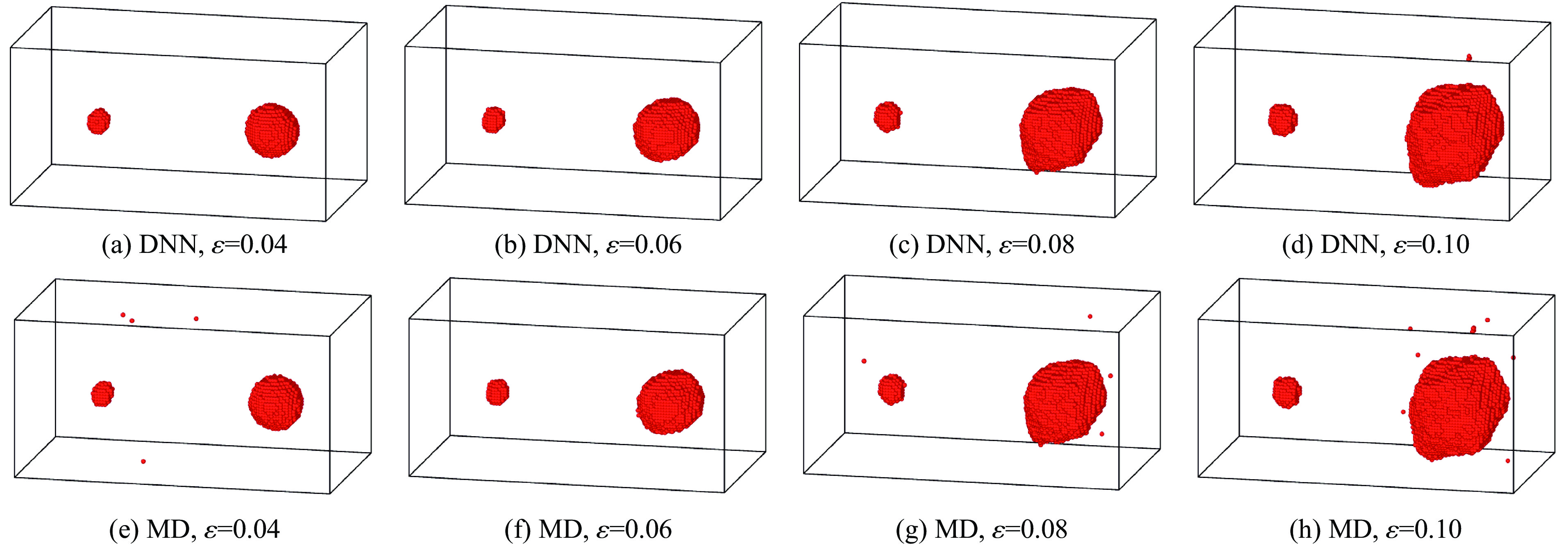
图 10 测试集中典型模型在不同应变下的孔洞形状结果
Figure 10. Void shapes under various strains of a typical model in the test set
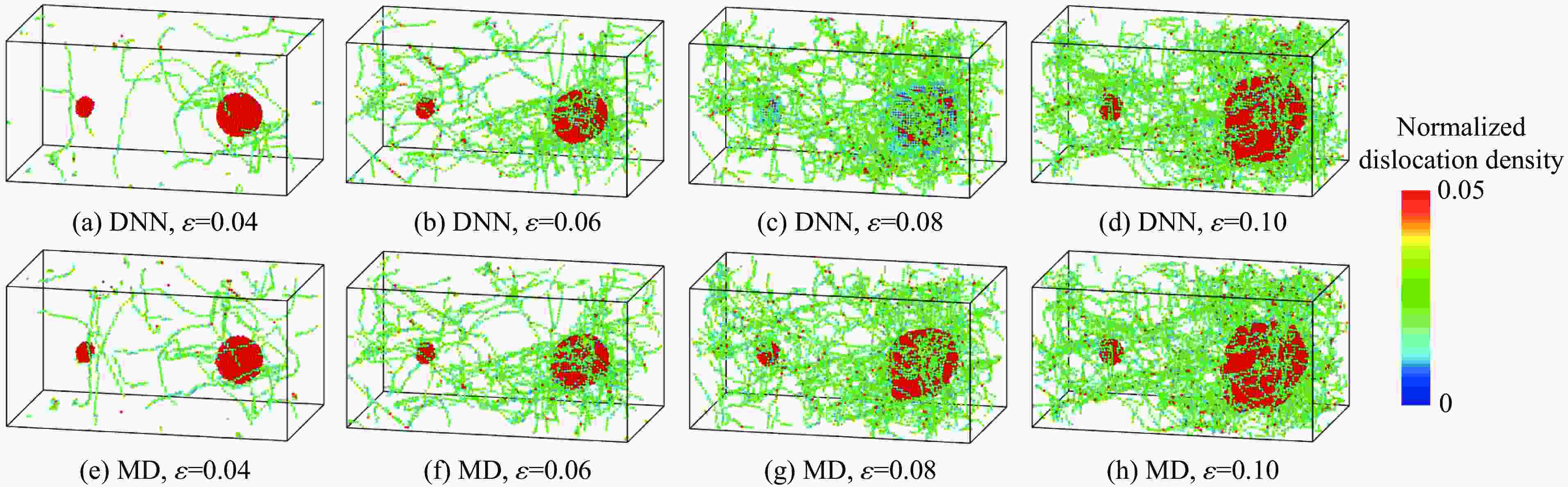
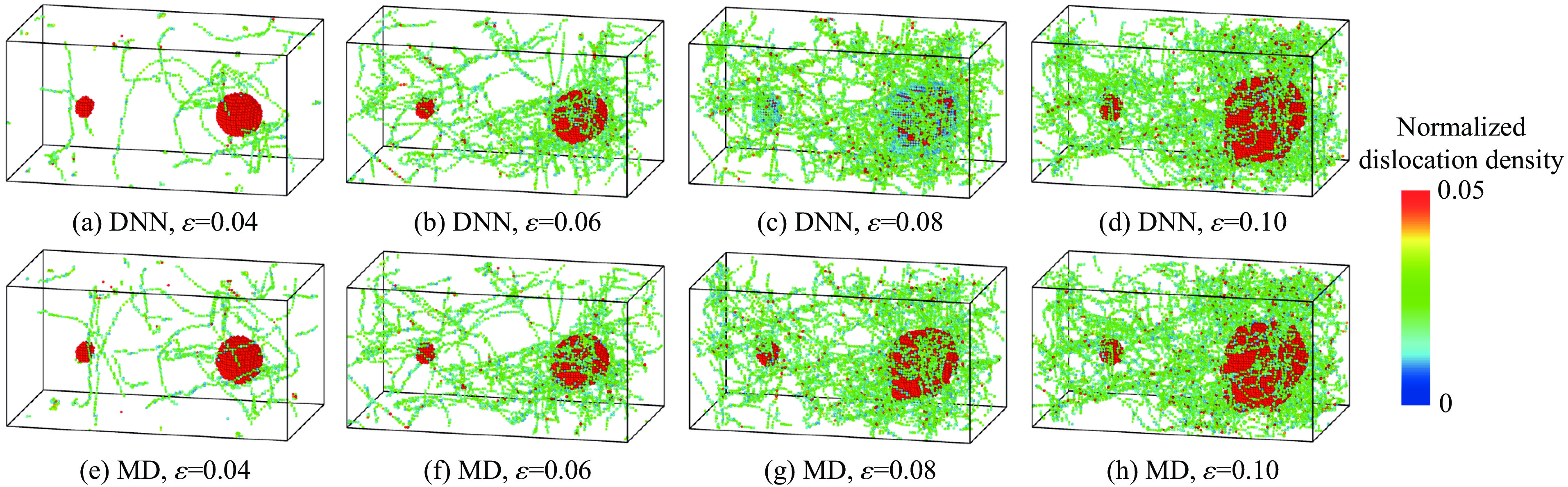
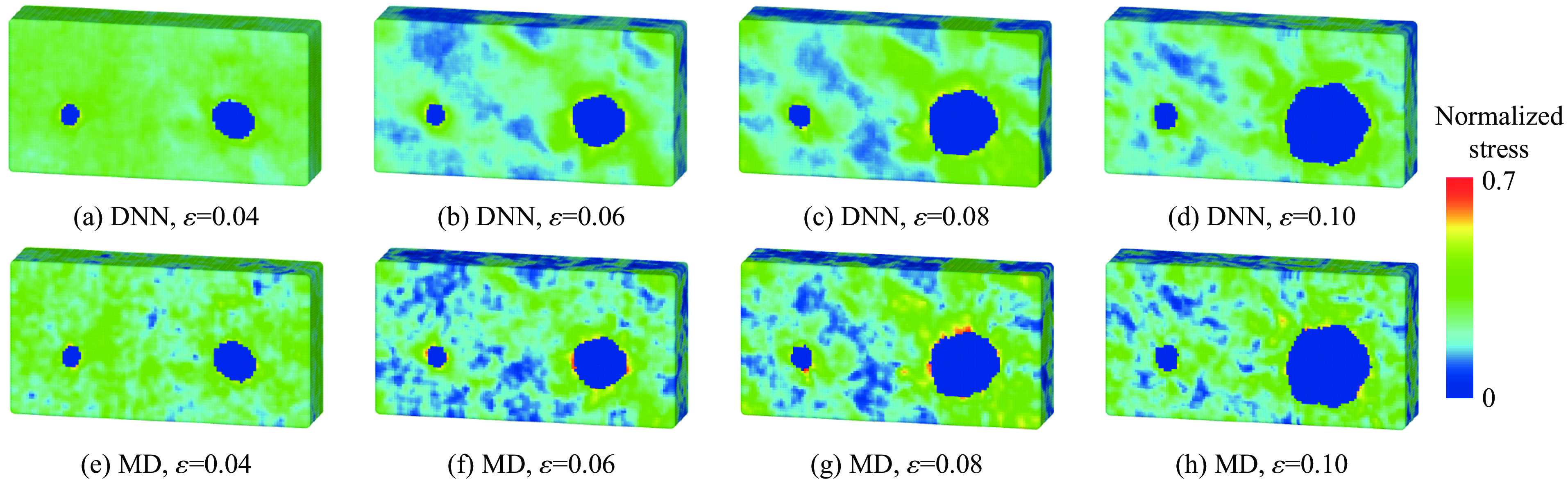
图 11 测试集中典型模型在不同应变下的归一化局部位错密度
Figure 11. Normalized local dislocation densities under various strains of a typical model in the test set
-
[1] 朱建士, 胡晓棉, 王裴, 等. 爆炸与冲击动力学若干问题研究进展 [J]. 力学进展, 2010, 40(4): 400–423. DOI: 10.6052/1000-0992-2010-4-J2009-144.ZHU J S, HU X M, WANG P, et al. A review on research progress in explosion mechanics and impact dynamics [J]. Advances in Mechanics, 2010, 40(4): 400–423. DOI: 10.6052/1000-0992-2010-4-J2009-144. [2] 彭辉, 裴晓阳, 陈实, 等. 延性金属动态拉伸断裂的损伤演化研究 [J]. 中国科学: 物理学 力学 天文学, 2017, 47(7): 070002. DOI: 10.1360/SSPMA2016-00392.PENG H, PEI X Y, CHEN S, et al. Damage evolution on dynamic tensile fracture of ductile metals [J]. Scientia Sinica Physica, Mechanica & Astronomica, 2017, 47(7): 070002. DOI: 10.1360/SSPMA2016-00392. [3] 贺红亮. 动态拉伸断裂的物理判据研究 [J]. 高压物理学报, 2013, 27(2): 153–161. DOI: 10.11858/gywlxb.2013.02.001.HE H L. Physical criterion of dynamic tensile fracture [J]. Chinese Journal of High Pressure Physics, 2013, 27(2): 153–161. DOI: 10.11858/gywlxb.2013.02.001. [4] NOELL P J, CARROLL J D, BOYCE B L. The mechanisms of ductile rupture [J]. Acta Materialia, 2018, 161: 83–98. DOI: 10.1016/j.actamat.2018.09.006. [5] 周洪强, 孙锦山, 王元书. 动载荷下延性材料中微孔洞的增长模型 [J]. 爆炸与冲击, 2003, 23(5): 415–419. DOI: 10.11883/1001-1455(2003)05-0415-5.ZHOU H Q, SUN J S, WANG Y S. The growth of microvoids in ductile materials under dynamic loading [J]. Explosion and Shock Waves, 2003, 23(5): 415–419. DOI: 10.11883/1001-1455(2003)05-0415-5. [6] WU X Y, RAMESH K T, WRIGHT T W. The effects of thermal softening and heat conduction on the dynamic growth of voids [J]. International Journal of Solids and Structures, 2003, 40(17): 4461–4478. DOI: 10.1016/S0020-7683(03)00214-2. [7] 董杰, 李永池, 陈学东. 微孔洞唯象损伤力学模型及其应用 [J]. 爆炸与冲击, 2008, 28(5): 443–447. DOI: 10.11883/1001-1455(2008)05-0443-05.DONG J, LI Y C, CHEN X D. A phenomenological damage model of microvoids and its application [J]. Explosion and Shock Waves, 2008, 28(5): 443–447. DOI: 10.11883/1001-1455(2008)05-0443-05. [8] ORTIZ M, MOLINARI A. Effect of strain hardening and rate sensitivity on the dynamic growth of a void in a plastic material [J]. Journal of Applied Mechanics, 1992, 59(1): 48–53. DOI: 10.1115/1.2899463. [9] GURSON A L. Continuum theory of ductile rupture by void nucleation and growth: part I-Yield criteria and flow rules for porous ductile media [J]. Journal of Engineering Materials and Technology, 1977, 99(1): 2–15. DOI: 10.1115/1.3443401. [10] TVERGAARD V. Influence of voids on shear band instabilities under plane strain conditions [J]. International Journal of Fracture, 1981, 17(4): 389–407. DOI: 10.1007/BF00036191. [11] JOHNSON J N. Dynamic fracture and spallation in ductile solids [J]. Journal of Applied Physics, 1981, 52(4): 2812–2825. DOI: 10.1063/1.329011. [12] 黄敏生, 李振环, 王乘, 等. 基体微尺度效应对弹塑性多孔洞材料本构势及孔洞长大的影响 [J]. 固体力学学报, 2003, 24(2): 137–147. DOI: 10.19636/j.cnki.cjsm42-1250/o3.2003.02.002.HUANG M S, LI Z H, WANG C, et al. The influences of microscope size effect of matrix on plastic potential and void growth of porous materials [J]. Acta Mechanica Solida Sinica, 2003, 24(2): 137–147. DOI: 10.19636/j.cnki.cjsm42-1250/o3.2003.02.002. [13] WEN J, HUANG Y, HWANG K C, et al. The modified Gurson model accounting for the void size effect [J]. International Journal of Plasticity, 2005, 21(2): 381–395. DOI: 10.1016/j.ijplas.2004.01.004. [14] 王永刚, 贺红亮, 陈登平, 等. 延性金属层裂模型比较 [J]. 爆炸与冲击, 2005, 25(5): 467–471. DOI: 10.11883/1001-1455(2005)05-0467-05.WANG Y G, HE H L, CHEN D P, et al. Comparison of different spall models for simulating spallation in ductile metals [J]. Explosion and Shock Waves, 2005, 25(5): 467–471. DOI: 10.11883/1001-1455(2005)05-0467-05. [15] TRAIVIRATANA S, BRINGA E M, BENSON D J, et al. Void growth in metals: atomistic calculations [J]. Acta Materialia, 2008, 56(15): 3874–3886. DOI: 10.1016/j.actamat.2008.03.047. [16] MI C W, BUTTRY D A, SHARMA P, et al. Atomistic insights into dislocation-based mechanisms of void growth and coalescence [J]. Journal of the Mechanics and Physics of Solids, 2011, 59(9): 1858–1871. DOI: 10.1016/j.jmps.2011.05.008. [17] ZHANG Y Q, JIANG S Y. Investigation on dislocation-based mechanisms of void growth and coalescence in single crystal and nanotwinned nickels by molecular dynamics simulation [J]. Philosophical Magazine, 2017, 97(30): 2772–2794. DOI: 10.1080/14786435.2017.1352108. [18] JIANG D D, SHAO J L, HE A M, et al. Dynamic fracture characteristics of nanocrystalline Al containing He bubbles [J]. Scripta Materialia, 2023, 234: 115546. DOI: 10.1016/j.scriptamat.2023.115546. [19] YANG X, TIAN Y, ZHAO H, et al. Coupling of spallation and microjetting in aluminum at the atomic scale [J]. Physical Review B, 2024, 110(2): 024113. DOI: 10.1103/PhysRevB.110.024113. [20] ZHAO L Y, LIU Y. Investigation on void growth and coalescence in single crystal copper under high-strain-rate tensile loading by atomistic simulation [J]. Mechanics of Materials, 2020, 151: 103615. DOI: 10.1016/j.mechmat.2020.103615. [21] BISHARA D, XIE Y X, LIU W K, et al. A state-of-the-art review on machine learning-based multiscale modeling, simulation, homogenization and design of materials [J]. Archives of Computational Methods in Engineering, 2023, 30(1): 191–222. DOI: 10.1007/s11831-022-09795-8. [22] XIAO S P, HU R J, LI Z, et al. A machine-learning-enhanced hierarchical multiscale method for bridging from molecular dynamics to continua [J]. Neural Computing and Applications, 2020, 32(18): 14359–14373. DOI: 10.1007/s00521-019-04480-7. [23] TIONG L C O, LEE G, YI G H, et al. Predicting failure progressions of structural materials via deep learning based on void topology [J]. Acta Materialia, 2023, 250: 118862. DOI: 10.1016/j.actamat.2023.118862. [24] LIU D P, YANG H, ELKHODARY K I, et al. Mechanistically informed data-driven modeling of cyclic plasticity via artificial neural networks [J]. Computer Methods in Applied Mechanics and Engineering, 2022, 393: 114766. DOI: 10.1016/j.cma.2022.114766. [25] SU H, GUAN T Y, LIU Y. A three-dimensional prediction method of stiffness properties of composites based on deep learning [J]. Computational Mechanics, 2023, 71(3): 583–597. DOI: 10.1007/s00466-022-02253-z. [26] MISHIN Y, MEHL M J, PAPACONSTANTOPOULOS D A, et al. Structural stability and lattice defects in copper: ab initio, tight-binding, and embedded-atom calculations [J]. Physical Review B, 2001, 63(22): 224106. DOI: 10.1103/PhysRevB.63.224106. [27] STUKOWSKI A, ALBE K. Extracting dislocations and non-dislocation crystal defects from atomistic simulation data [J]. Modelling and Simulation in Materials Science and Engineering, 2010, 18(8): 085001. DOI: 10.1088/0965-0393/18/8/085001. [28] STUKOWSKI A, BULATOV V V, ARSENLIS A. Automated identification and indexing of dislocations in crystal interfaces [J]. Modelling and Simulation in Materials Science and Engineering, 2012, 20(8): 085007. DOI: 10.1088/0965-0393/20/8/085007. -

 下载:
下载:
计量
- 文章访问数: 201
- HTML全文浏览量: 86
- PDF下载量: 109
- 被引次数: 0