



Study on the variation law of explosion strength parameters in hydrogen/titanium dust two-phase systems
-
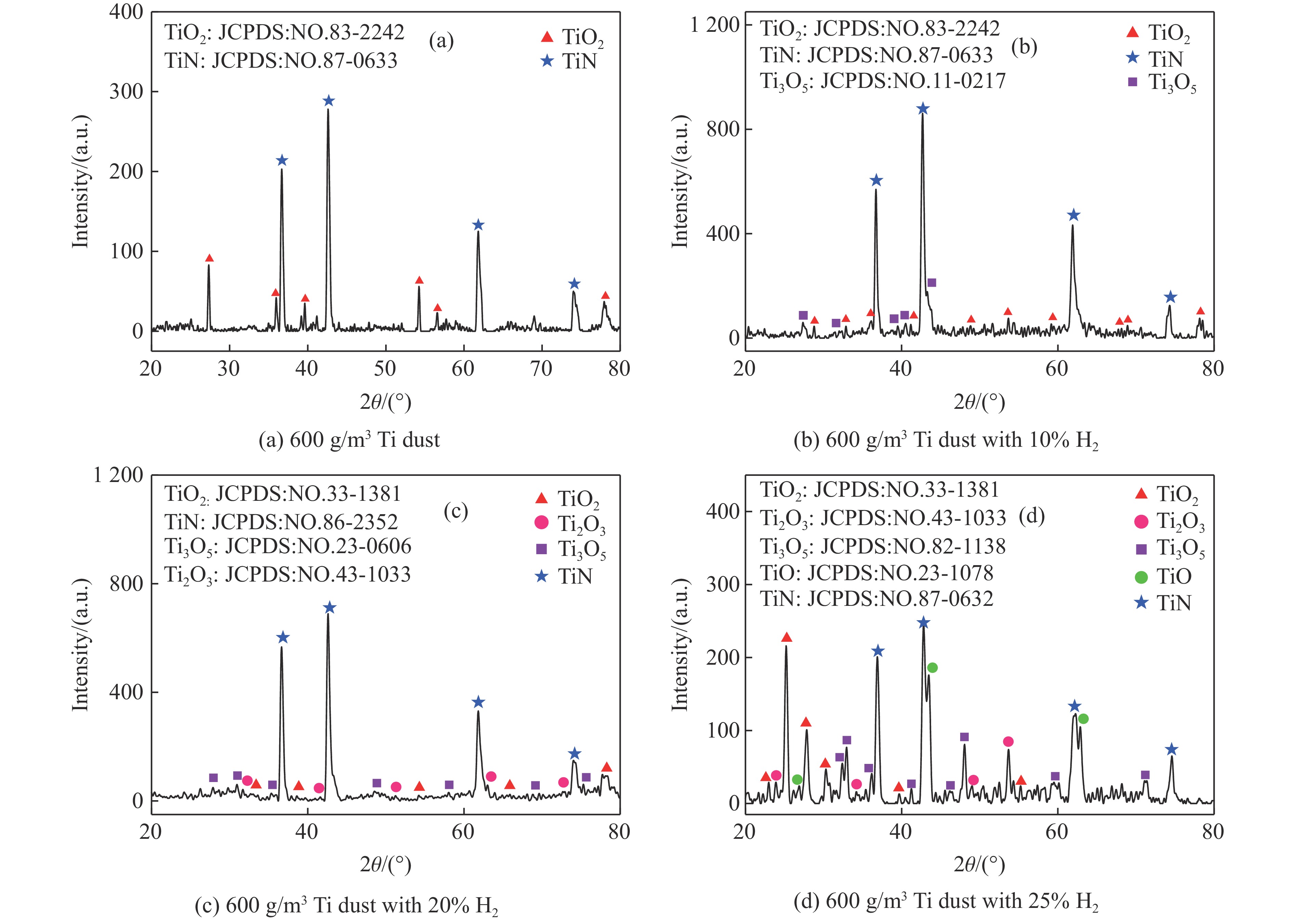
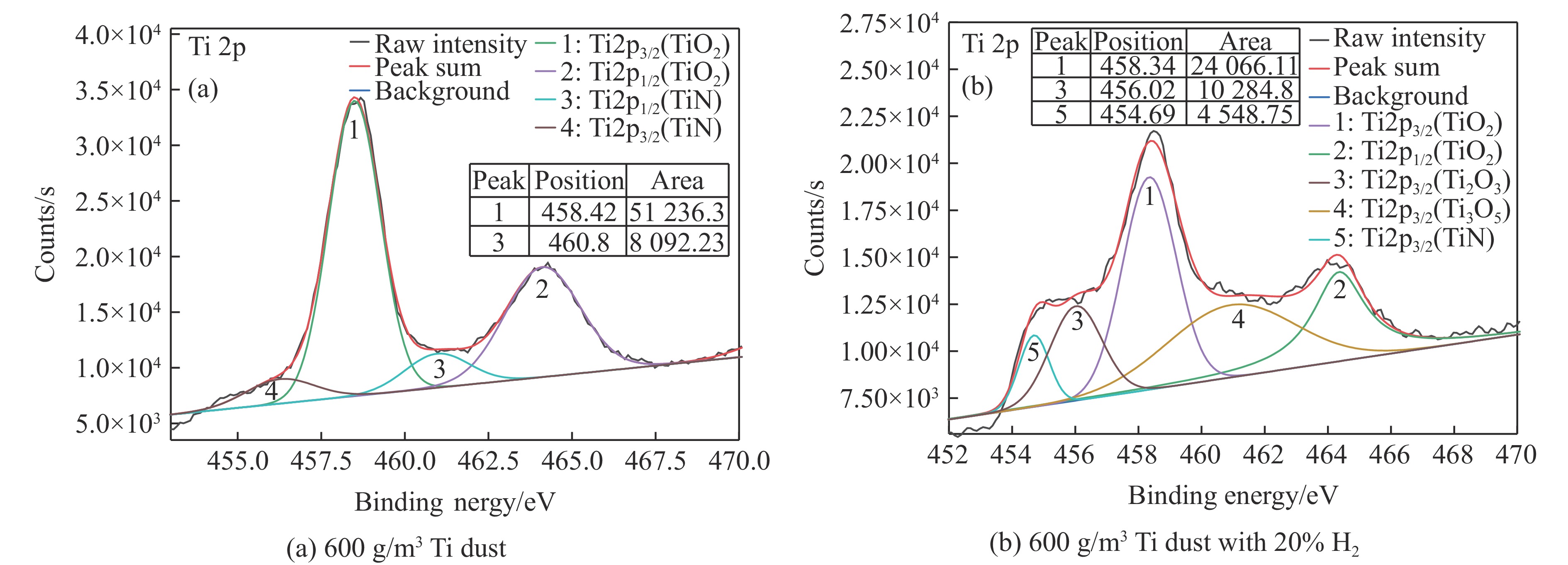
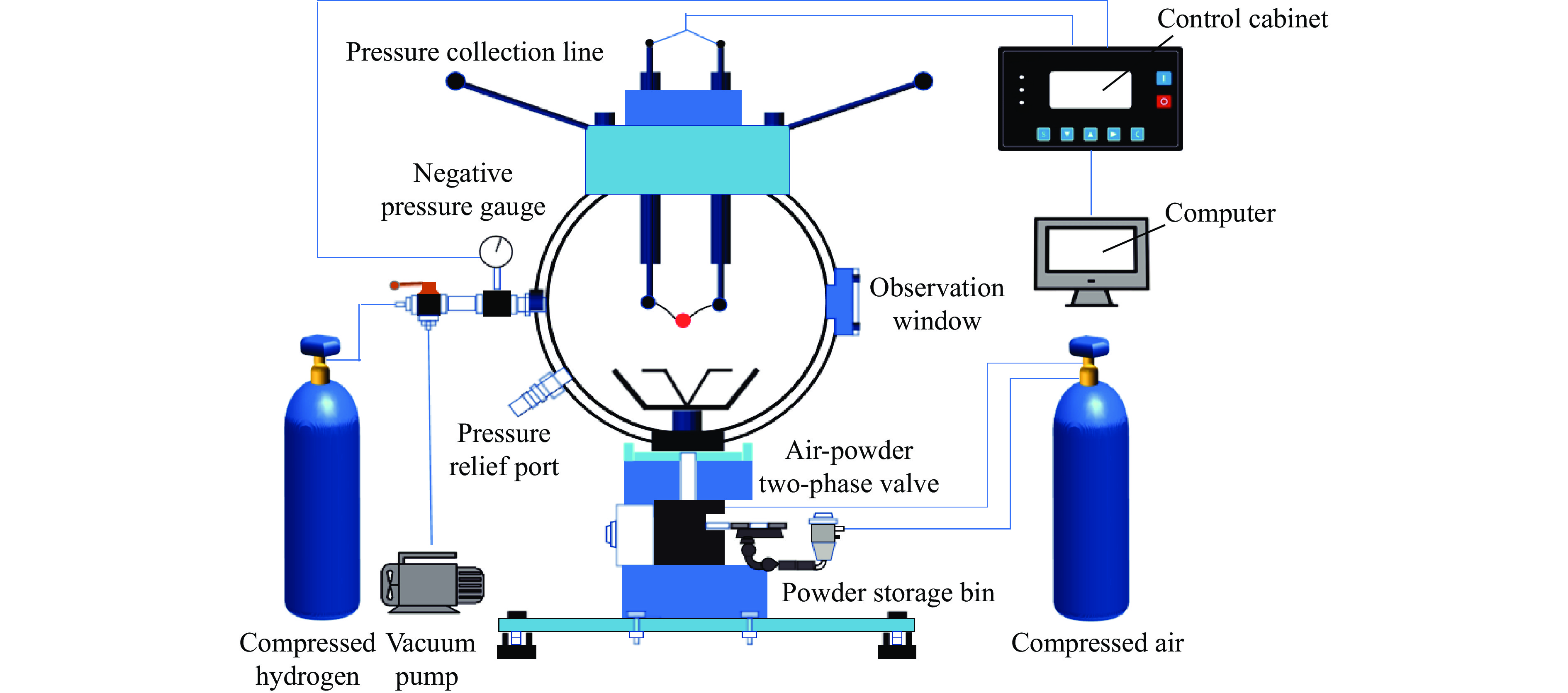
摘要: 在钛基固态金属储氢技术应用及钛金属制品生产加工过程中极易形成氢气/钛粉两相体系,具有较高的爆炸风险。为探究氢气/钛粉两相体系爆炸特性,采用20 L球形爆炸装置,在氢气体积分数为0%~30%、钛粉粉尘浓度为100~700 g/m3范围内,对氢气/钛粉两相体系爆炸强度参数变化规律进行了研究,并结合爆炸产物,分析了爆炸强度参数变化规律形成机理。结果表明,氢气的存在会显著影响钛粉的爆炸强度。总体上,不同粉尘浓度钛粉的爆炸压力随氢气体积分数的增大先减小后增大再减小,当氢气体积分数为4%时降至最低,当氢气体积分数为29%时增至最大;不同粉尘浓度钛粉的爆炸压力上升速率随氢气体积分数增大先减小后增大,当氢气体积分数为4%时降至最低,当氢气体积分数为30%时增至最大。氢气/钛粉两相体系的最大爆炸压力同样随氢气体积分数的增大先减小后增大再减小,在氢气体积分数为4%时降至最低,在氢气体积分数为29%时达到峰值;最大爆炸压力上升速率随氢气体积分数的增大先减小后增大,当氢气体积分数为4%时达到最小值,随后持续上升,在氢气体积分数为30%时达到峰值。爆炸产物分析结果表明,低浓度氢气会导致或加剧钛粉的不完全氧化反应,进而导致钛粉爆炸强度降低;当氢气体积分数增至临界值后,氢气的自主燃烧将促进钛粉与氮气之间的反应,并促使爆炸过程由异相燃烧向均相燃烧转变,进而导致钛粉爆炸强度增大。Abstract: The advancement of titanium-based solid-state hydrogen storage technologies and titanium manufacturing processes inherently involves the formation of hydrogen/titanium dust hybrid mixtures, which present substantial explosion hazards. To investigate the explosion behavior of such two-phase systems, this study systematically examined the variation patterns of explosion intensity parameters in hydrogen/titanium dust hybrid systems using a standardized 20 L spherical explosion vessel. The experimental matrix covers hydrogen volume fraction ranging from 0% to 30% and titanium dust mass concentrations from 100 to 700 g/m3. Specifically, titanium dust concentrations were tested at seven discrete levels (100, 200, 300, 400, 500, 600, and 700 g/m3), while hydrogen volume fractions were selected at eight critical values (4%, 5%, 10%, 15%, 20%, 25%, 29%, and 30%). Dynamic parameters, including explosion pressure and rate of explosion pressure rise, were synchronously recorded. Furthermore, the phase composition and surface chemical states of explosion residues were characterized using X-ray diffraction (XRD) and X-ray photoelectron spectroscopy (XPS). This integrated approach provides in-depth insights into the macroscopic evolution of explosion intensity with varying gas-solid ratios and elucidates the underlying microscopic reaction mechanisms. Experimental results demonstrate that hydrogen volume fraction critically modulates explosion severity. The explosion pressure exhibits a characteristic three-stage dependence on hydrogen volume fraction: it initially decreases, reaching a minimum at 4% H2, subsequently increases to a maximum at 29% H2, and finally declines at higher volume fractions. Correspondingly, the maximum rate of pressure rise rate decreases to its lowest value at 4% H2 before increasing continuously up to 30% H2. The maximum explosion pressure shows an analogous trend, peaking at 29% H2 after an initial reduction, while the maximum rate of pressure rise reaches its minimum at 4% H2 and peaks at 30% H2. Residue analysis indicates that at low hydrogen volume fraction (<4%), incomplete oxidation of titanium predominates, thereby reducing explosion intensity. Beyond the critical threshold of 4% H2, hydrogen self-combustion promotes titanium-nitrogen reactions and facilitates the transition from heterogeneous to homogeneous combustion, significantly enhancing explosion severity. This investigation provides fundamental insights into the explosion dynamics of hydrogen/titanium dust mixtures and delivers essential parameters for risk assessment and safety mitigation in related industrial applications.
-
Key words:
- titanium powder /
- hydrogen /
- two-phase system /
- explosion pressure /
- explosion pressure rise rate
-
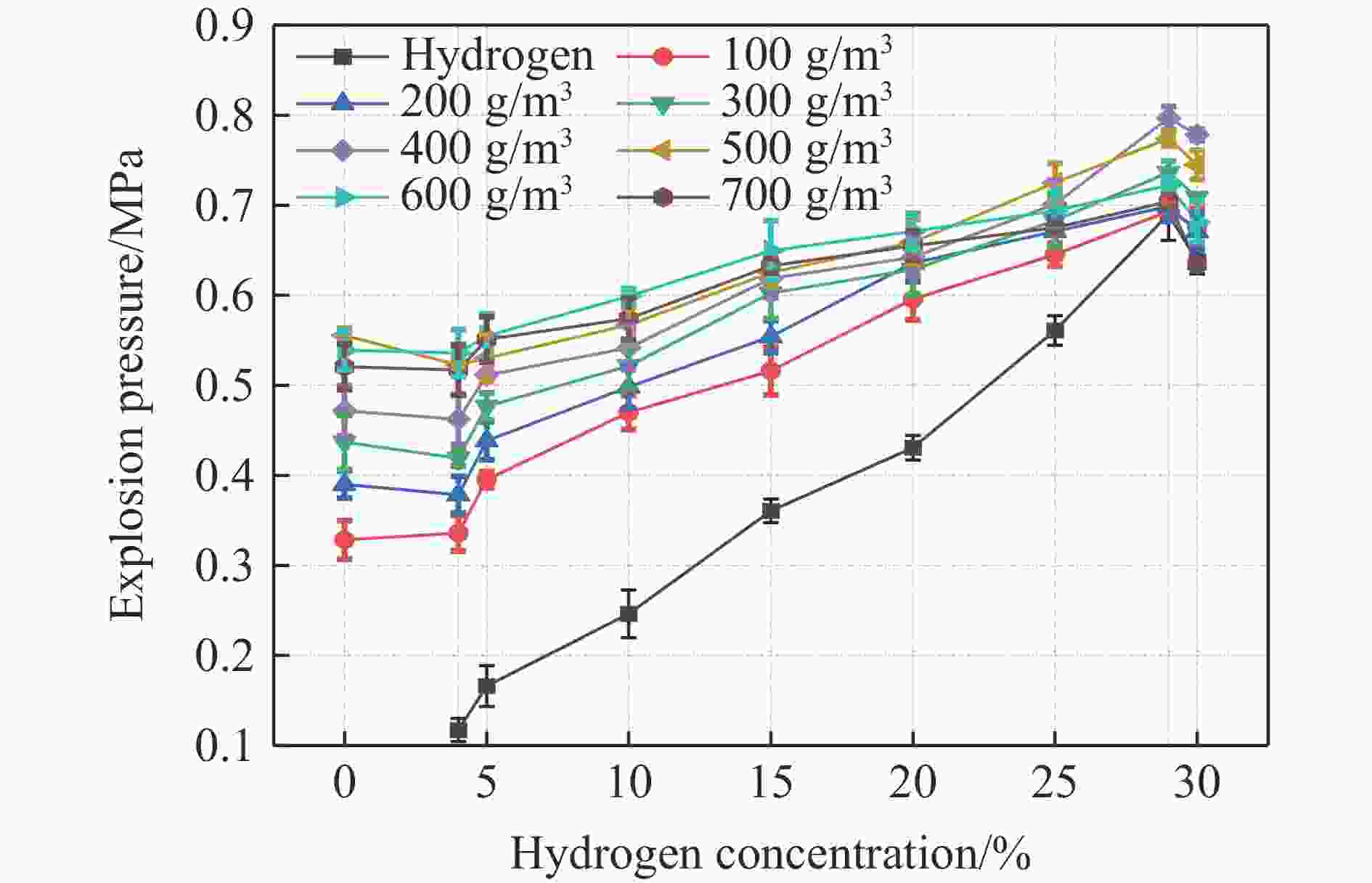
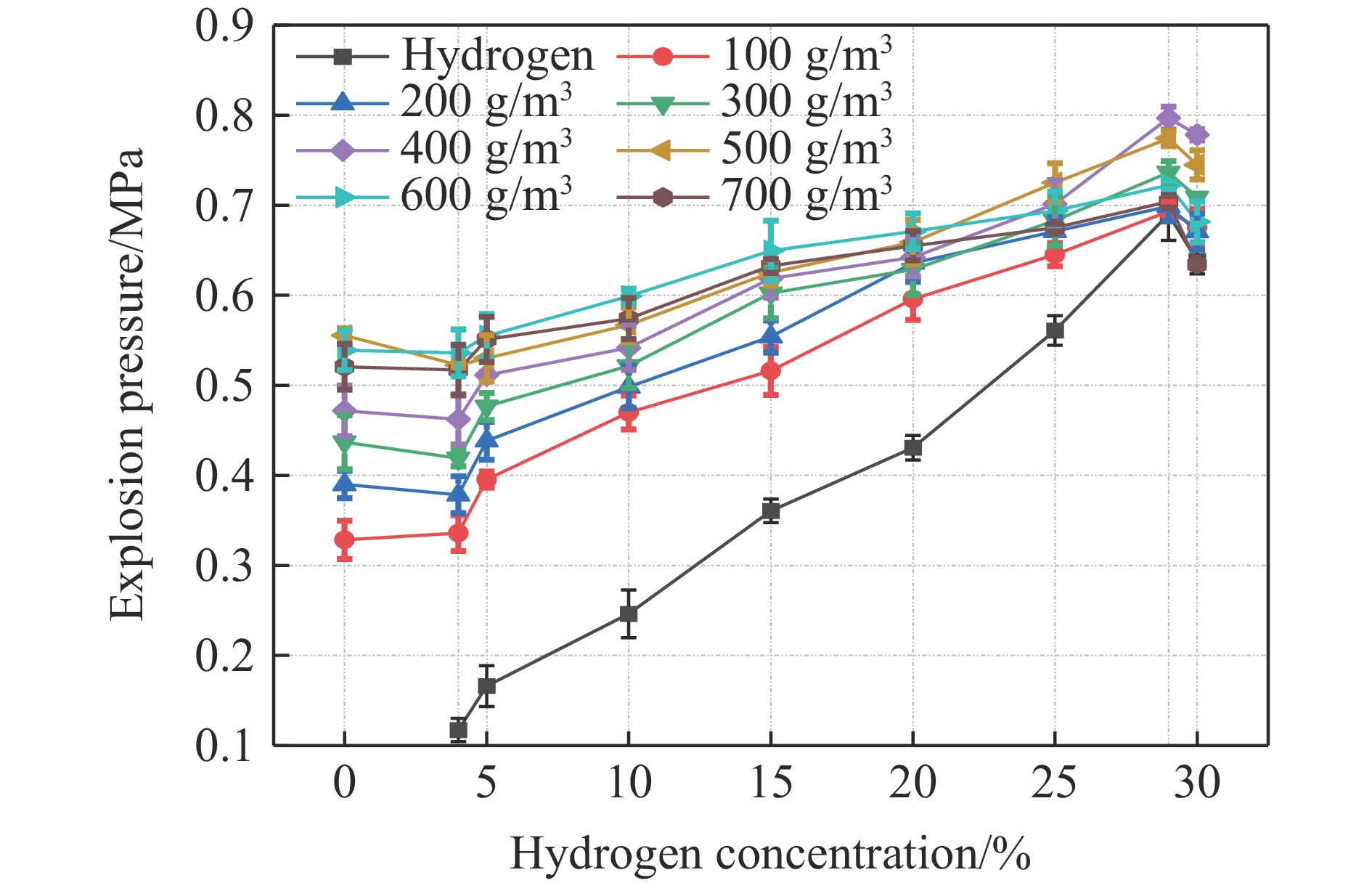
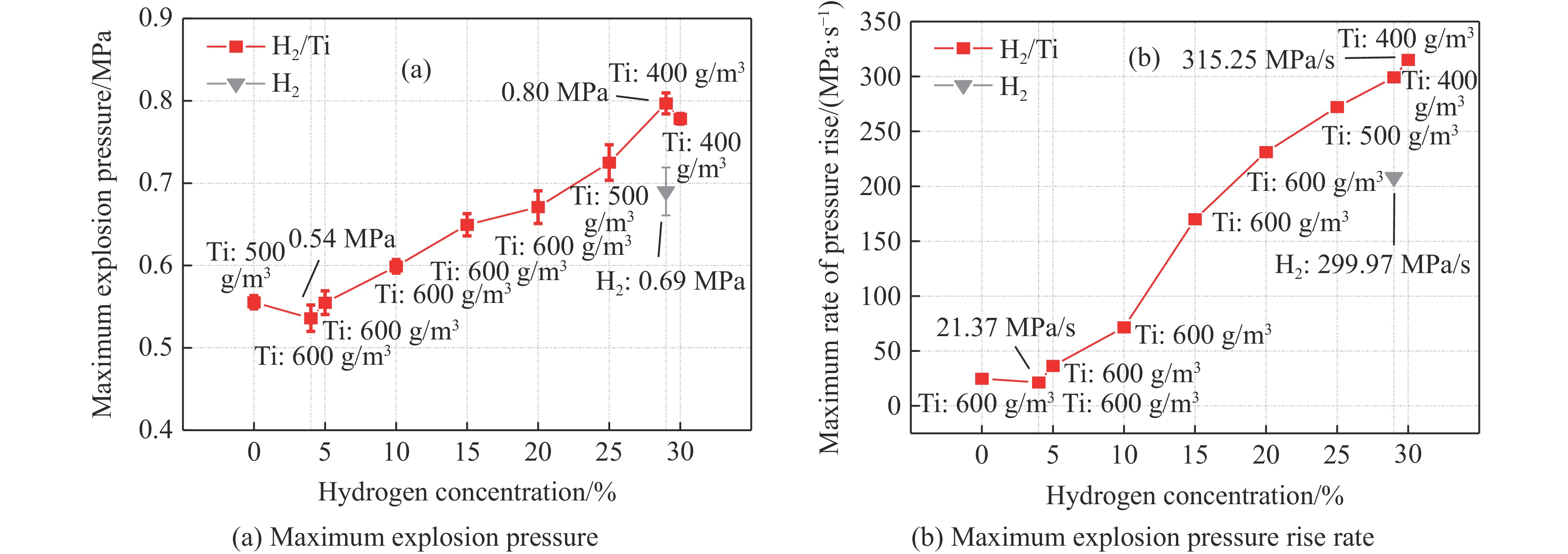
图 5 氢气/钛粉两相体系爆炸压力变化规律
Figure 5. Variation patterns of explosion pressure in the H2/Ti powder two-phase system
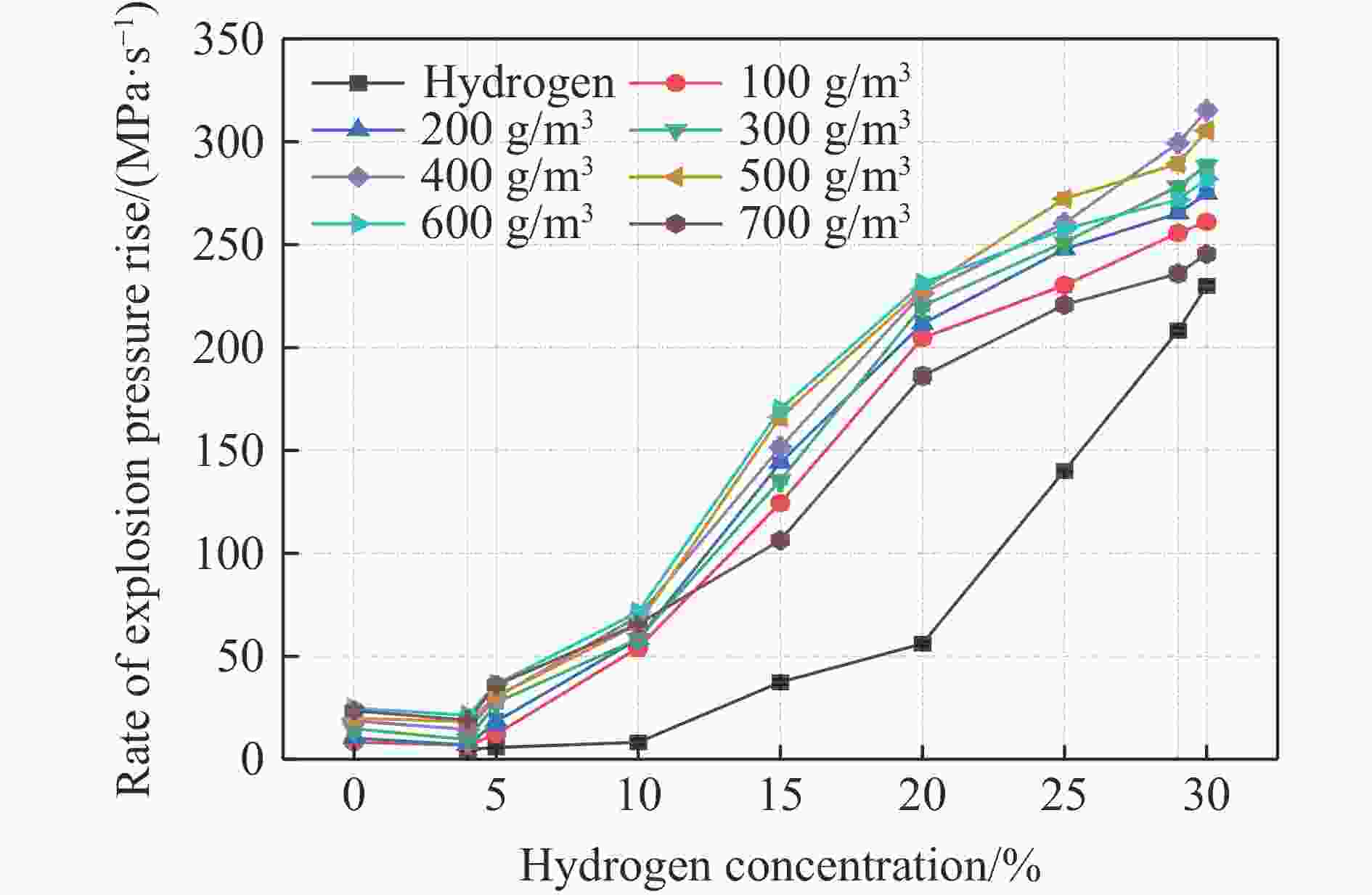
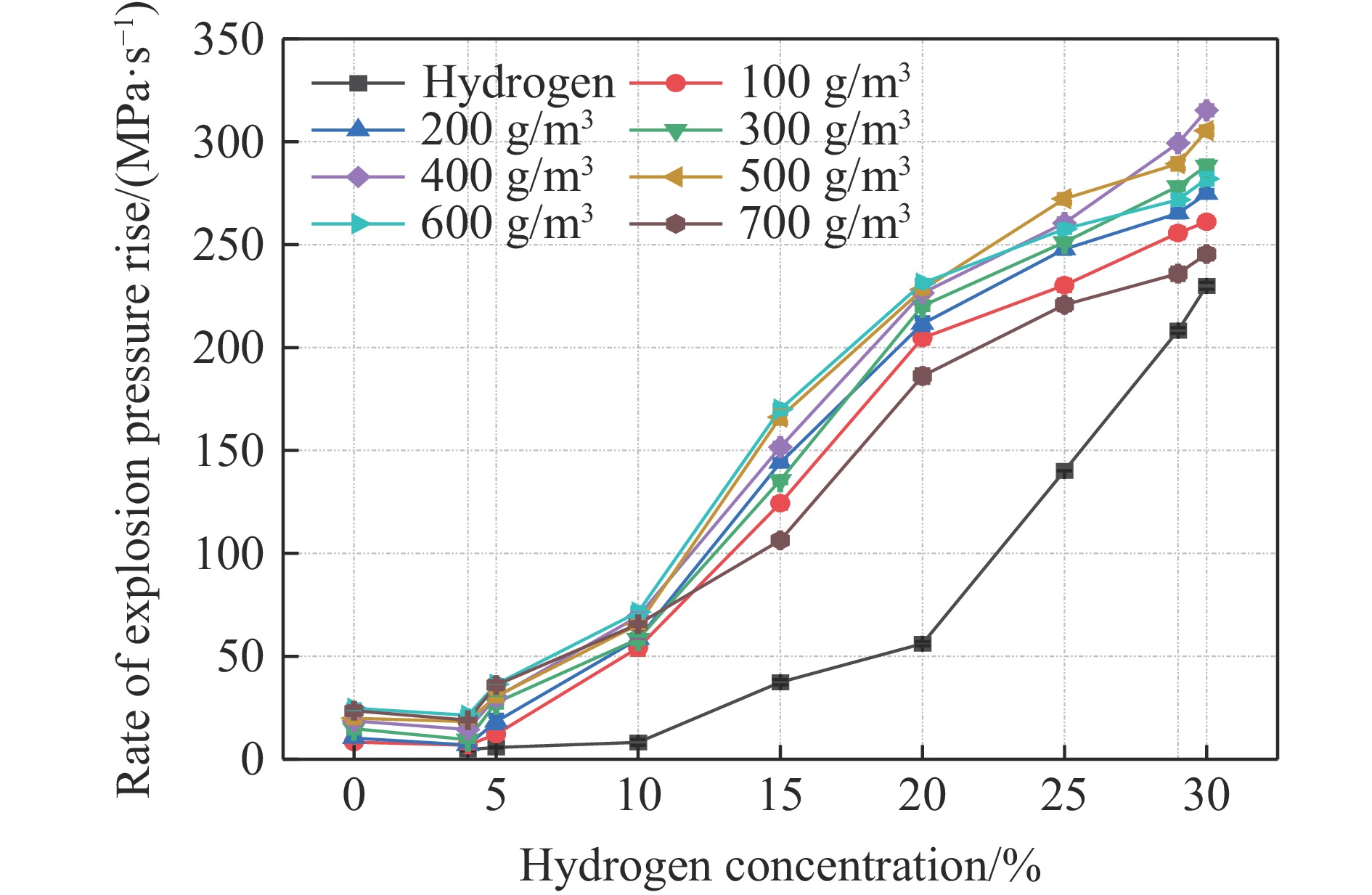
图 6 氢气/钛粉两相体系爆炸压力上升速率变化规律
Figure 6. Variation patterns of explosion pressure rise rate in the H2/Ti two-phase system
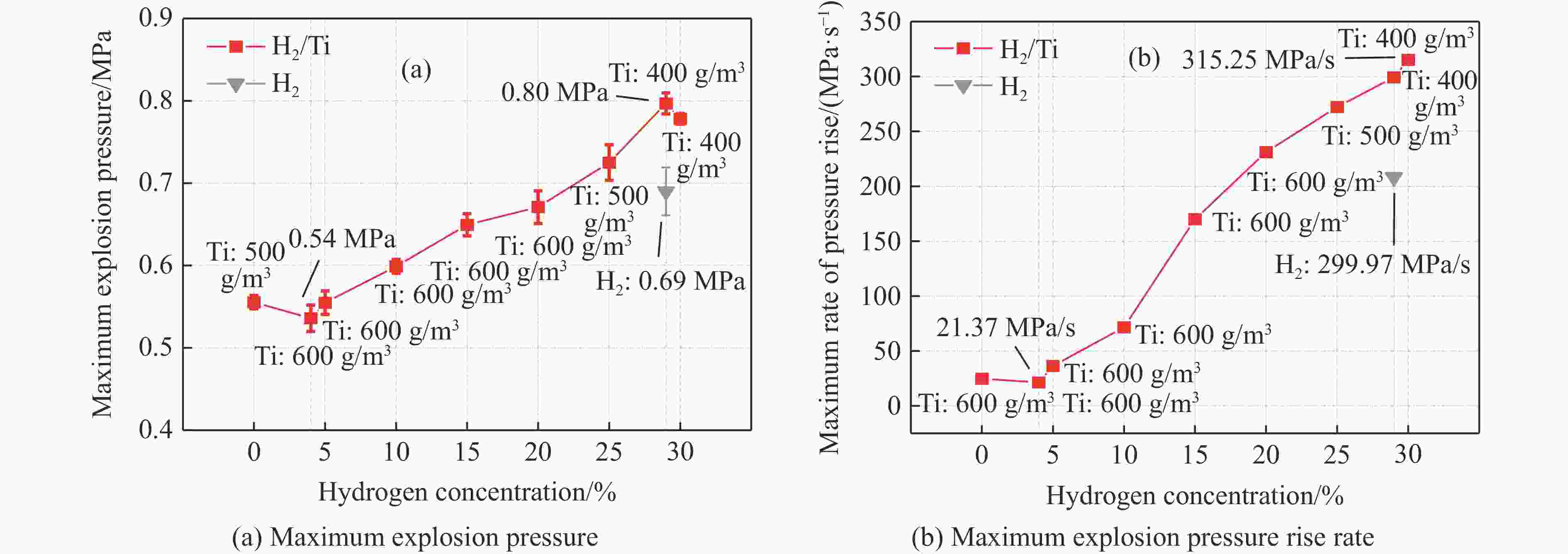
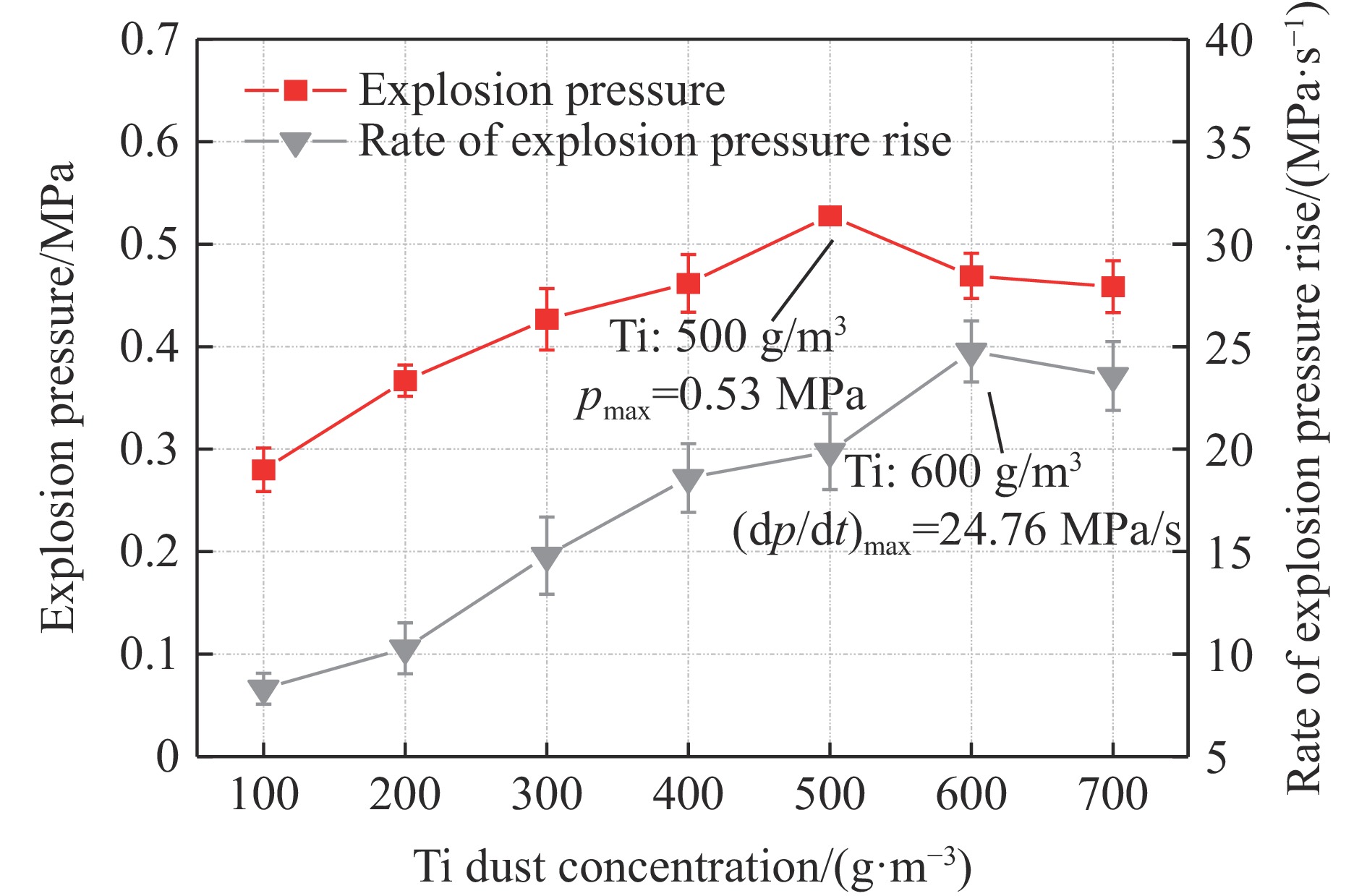
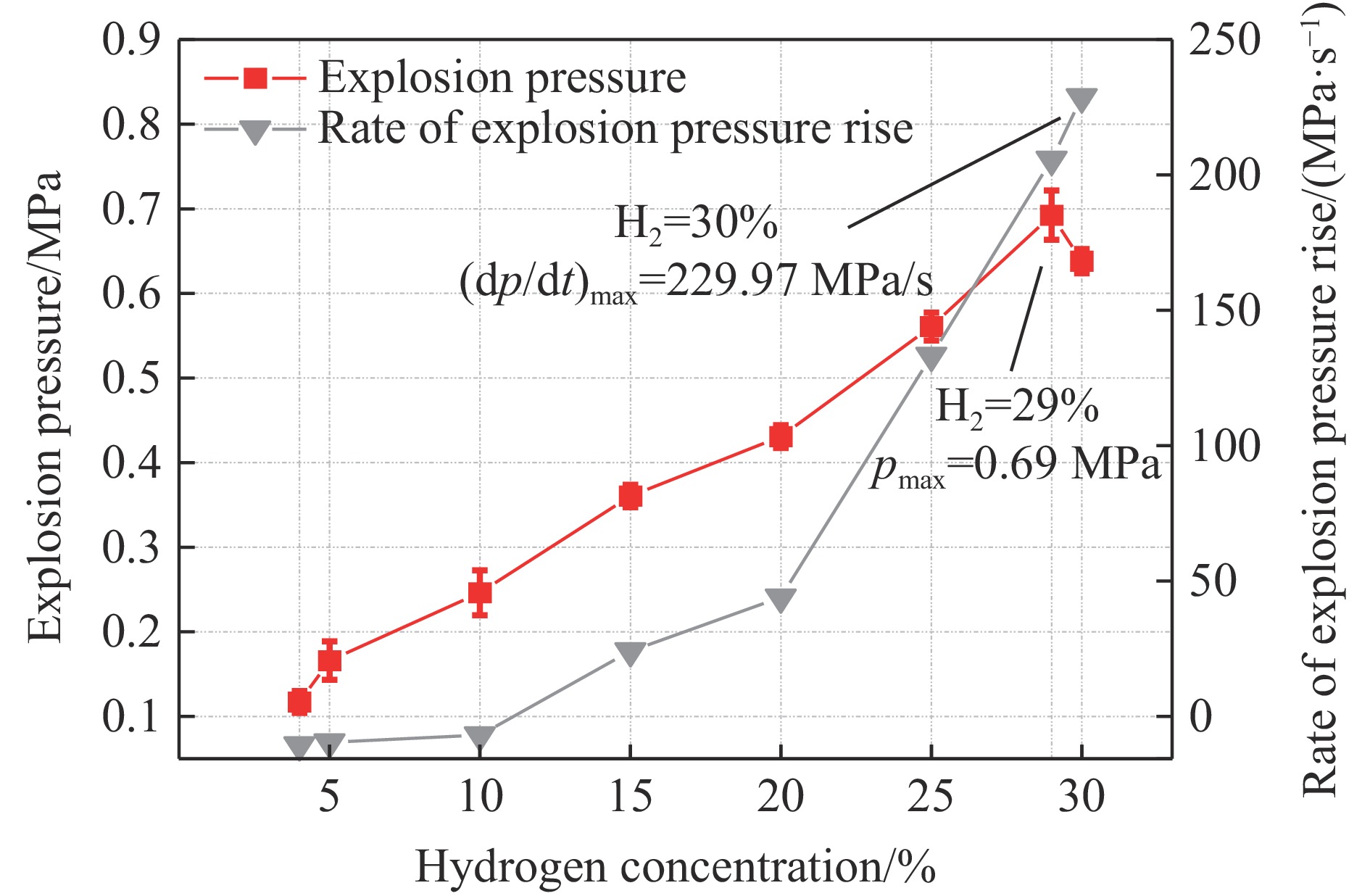
图 7 氢气/钛粉两相体系的最大爆炸压力与最大爆炸压力上升速率变化规律
Figure 7. Variation patterns of the maximum explosion pressure and the maximum explosion pressure rise rate in H2/Ti powder two-phase systems
表 1 不同氢气体积分数氛围下钛粉的最大爆炸压力与最大爆炸压力上升速率
Table 1. Maximum explosion pressure and maximum explosion pressure rise rate of Ti dust at different H2 volume fractions
氢气体积
分数/%最大爆炸
压力/MPa最大爆炸压力上升
速率/(MPa·s–1)0 0.56 24.76 4 0.54 21.37 5 0.56 36.46 10 0.60 71.54 15 0.65 170.04 20 0.67 231.21 25 0.73 272.26 29 0.80 299.33 30 0.78 315.25  下载: 导出CSV
-
[1] TU H L. Hydrogen energy: a global trend and China’s strategy [J]. Engineering, 2021, 7(6): 703. DOI: 10.1016/j.eng.2021.04.006. [2] ZHANG X Q. The development trend of and suggestions for China’s hydrogen energy industry [J]. Engineering, 2021, 7(6): 719–721. DOI: 10.1016/j.eng.2021.04.012. [3] YANG L, WANG S N, ZHANG Z H, et al. Current development status, policy support and promotion path of China’s green hydrogen industries under the target of carbon emission peaking and carbon neutrality [J]. Sustainability, 2023, 15(13): 10118. DOI: 10.3390/su151310118. [4] 章楚. 氢能储运技术发展现状与前景展望 [J]. 能源化工财经与管理, 2024, 3(2): 1–9, 25.ZHANG C. Development status and prospect of hydrogen energy storage and transportation technologies [J]. Finance and Management of Energy Chemical Industry, 2024, 3(2): 1–9, 25. [5] LIU Y F, ZHANG W X, ZHANG X, et al. Nanostructured light metal hydride: fabrication strategies and hydrogen storage performance [J]. Renewable and Sustainable Energy Reviews, 2023, 184: 113560. DOI: 10.1016/j.rser.2023.113560. [6] 李红玉, 樊运晓. 基于系统思考的AL Solutions粉尘爆炸事故分析 [J]. 安全与环境工程, 2016, 23(2): 90–95. DOI: 10.13578/j.cnki.issn.1671-1556.2016.02.018.LI H Y, FAN Y X. Analysis of the dust explosion accident at AL Solutions based on system thinking [J]. Safety and Environmental Engineering, 2016, 23(2): 90–95. DOI: 10.13578/j.cnki.issn.1671-1556.2016.02.018. [7] LU Y W, FAN R J, WANG Z R, et al. The influence of hydrogen concentration on the characteristic of explosion venting: explosion pressure, venting flame and flow field microstructure [J]. Energy, 2024, 293: 130562. DOI: 10.1016/j.energy.2024.130562. [8] WU H C, CHANG R C, HSIAO H C. Research of minimum ignition energy for nano titanium powder and nano iron powder [J]. Journal of Loss Prevention in the Process Industries, 2009, 22(1): 21–24. DOI: 10.1016/j.jlp.2008.10.002. [9] ZHANG K, LUO T P, LI Y C, et al. Effect of ignition, initial pressure and temperature on the lower flammability limit of hydrogen/air mixture [J]. International Journal of Hydrogen Energy, 2022, 47(33): 15107–15119. DOI: 10.1016/j.ijhydene.2022.02.224. [10] HAN H, MA Q F, QIN Z K, et al. Experimental study on combustion and explosion characteristics of hydrogen-air premixed gas in rectangular channels with large aspect ratio [J]. International Journal of Hydrogen Energy, 2024, 57: 1041–1050. DOI: 10.1016/j.ijhydene.2024.01.125. [11] YU J L, ZHANG X Y, ZHANG Q, et al. Combustion behaviors and flame microstructures of micro- and nano-titanium dust explosions [J]. Fuel, 2016, 181: 785–792. DOI: 10.1016/j.fuel.2016.05.085. [12] 董海佩, 程贵海, 李晓泉, 等. 钛粉尘云的爆炸特性 [J]. 中国粉体技术, 2018, 24(4): 32–36. DOI: 10.13732/j.issn.1008-5548.2018.04.007.DONG H P, CHENG G H, LI X Q, et al. Explosion characteristic of titanium dust cloud [J]. China Powder Science and Technology, 2018, 24(4): 32–36. DOI: 10.13732/j.issn.1008-5548.2018.04.007. [13] BOILARD S P, AMYOTTE P R, KHAN F I, et al. Explosibility of micron and nano-size titanium powders [J]. Journal of Loss Prevention in the Process Industries, 2013, 26(6): 1646–1654. DOI: 10.1016/j.jlp.2013.06.003. [14] 李畅. 微米及纳米钛粉爆炸特性参数的理论与实验研究 [D]. 沈阳: 东北大学, 2015.LI C. Theoretical and experimental study on explosibility parameters of micro and nano titanium powders [D]. Shenyang: Northeastern University, 2015. [15] 李世周. 典型固体抑爆剂对TiH2粉尘云燃爆特性影响及抑爆机理研究 [D]. 安徽淮南: 安徽理工大学, 2024. DOI: 10.26918/d.cnki.ghngc.2024.000063.LI S Z. Effects of typical solid suppressants on TiH2 dust cloud explosion characteristics and explosion suppression mechanism [D]. Huainan, Anhui, China: Anhui University of Science and Technology, 2024. DOI: 10.26918/d.cnki.ghngc.2024.000063. [16] TSAI Y T, HUANG G T, ZHAO J Q, et al. Dust cloud explosion characteristics and mechanisms in MgH2-based hydrogen storage materials [J]. AIChE Journal, 2021, 67(8): e17302. DOI: 10.1002/AIC.17302. [17] 王阳. 氢气/镁粉两相体系混合爆炸特性与机理研究 [D]. 河南焦作: 河南理工大学, 2023. DOI: 10.27116/d.cnki.gjzgc.2023.000386.WANG Y. Investigation on hybrid explosion characteristics and mechanism of hydrogen/magnesium dust two-phase system [D]. Jiaozuo, Henan, China: Henan Polytechnic University, 2023. DOI: 10.27116/d.cnki.gjzgc.2023.000386. [18] TSAI Y T, FU T, ZHOU Q. Explosion characteristics and suppression of hybrid Mg/H2 mixtures [J]. International Journal of Hydrogen Energy, 2021, 46(78): 38934–38943. DOI: 10.1016/j.ijhydene.2021.09.145. [19] CHENG Y F, SU J, LIU R, et al. Influential factors on the explosibility of unpremixed hydrogen/magnesium dust [J]. International Journal of Hydrogen Energy, 2020, 45(58): 34185–34192. DOI: 10.1016/j.ijhydene.2020.09.040. [20] XIONG X Y, GAO K, MU J, et al. Experimental study on the explosion destructive ability of magnesium powder/hydrogen hybrids in large space [J]. Process Safety and Environmental Protection, 2023, 173: 237–248. DOI: 10.1016/j.psep.2023.02.091. [21] WU X L, XU S, PANG A M, et al. Hazard evaluation of ignition sensitivity and explosion severity for three typical MH2 (M= Mg, Ti, Zr) of energetic materials [J]. Defence Technology, 2021, 17(4): 1262–1268. DOI: 10.1016/j.dt.2020.06.011. [22] DENKEVITS A, HOESS B. Hybrid H2/Al dust explosions in Siwek sphere [J]. Journal of Loss Prevention in the Process Industries, 2015, 36: 509–521. DOI: 10.1016/j.jlp.2015.03.024. [23] YU X Z, YU J L, WANG C Y, et al. Experimental study on the overpressure and flame propagation of hybrid hydrogen/aluminum dust explosions in a square closed vessel [J]. Fuel, 2021, 285: 119222. DOI: 10.1016/j.fuel.2020.119222. [24] 于小哲. 氢气/铝粉混合体系爆炸特性及火焰传播机理研究 [D]. 辽宁大连: 大连理工大学, 2020. DOI: 10.26991/d.cnki.gdllu.2020.004094.YU X Z. Explosion characteristics and flame propagation mechanism of hydrogen/aluminum dust hybrid mixtures [D]. Dalian, Liaoning, China: Dalian University of Technology, 2020. DOI: 10.26991/d.cnki.gdllu.2020.004094. [25] QIU D Y, CHEN X F, LIU L J, et al. Explosion characteristics and suppression evaluation of hydrogen mixed with low-concentration aluminum powder [J]. International Journal of Hydrogen Energy, 2024, 58: 1552–1561. DOI: 10.1016/j.ijhydene.2024.01.344. [26] ZHU C C, GAO W, JIANG H P, et al. A comparative investigation of the explosion mechanism of metal hydride AlH3 dust and Al/H2 mixture [J]. International Journal of Hydrogen Energy, 2024, 50: 1296–1305. DOI: 10.1016/j.ijhydene.2023.10.178. [27] CHENG Y F, SONG S X, MA H H, et al. Hybrid H2/Ti dust explosion hazards during the production of metal hydride TiH2 in a closed vessel [J]. International Journal of Hydrogen Energy, 2019, 44(21): 11145–11152. DOI: 10.1016/j.ijhydene.2019.02.189. [28] CHENG Y F, WU H B, LIU R, et al. Combustion behaviors and explosibility of suspended metal hydride TiH2 dust [J]. International Journal of Hydrogen Energy, 2020, 45(21): 12216–12224. DOI: 10.1016/j.ijhydene.2020.02.137. [29] 李星国. 氢燃烧特性对氢内燃机性能的影响 [J]. 自然杂志, 2023, 45(1): 57–67. DOI: 10.3969/j.issn.0253-9608.2022.03.007.LI X G. Effect of hydrogen combustion characteristics on the performance of hydrogen internal combustion engine [J]. Chinese Journal of Nature, 2023, 45(1): 57–67. DOI: 10.3969/j.issn.0253-9608.2022.03.007. [30] 邬渊文, 庄汉锐, 张宝林. 高压氮气中自蔓延燃烧合成氮化钛 [J]. 无机材料学报, 1993, 8(4): 441–446.WU Y W, ZHUANG H R, ZHANG B L. Self propagation high-temperature synthesis of titanium nitride in pressurized nitrogen atmosphere [J]. Journal of Inorganic Materials, 1993, 8(4): 441–446. -

计量
- 文章访问数: 346
- HTML全文浏览量: 114
- PDF下载量: 309
- 被引次数: 0